
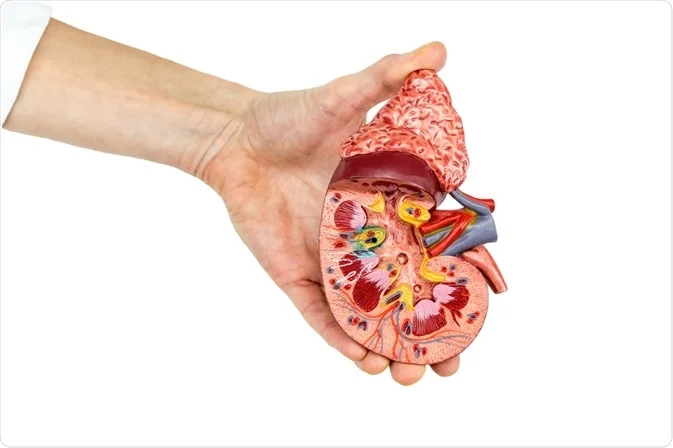
What is
chronic kidney disease?
Chronic kidney disease is a long-term decline in kidney function, lasting more than three months. It is one of the most common chronic conditions worldwide — and in India, where diabetes and hypertension are widespread, CKD affects an estimated 10–15% of adults. Most don't know they have it.
Kidneys do far more than make urine. They filter waste products, control blood pressure, balance electrolytes, regulate bone metabolism, produce hormones for red blood cell production, and activate vitamin D. As CKD progresses, each of these functions deteriorates — often silently for years before symptoms appear.
The key concept in CKD management is slowing progression. Established CKD usually cannot be reversed, but the rate of decline is highly modifiable. A patient diagnosed at Stage 2 with optimal care may take 20+ years to reach dialysis — or, untreated, may reach it within 5–10. The same diagnosis, two completely different timelines.
CKD is staged
by kidney function.
Staging is based on the estimated Glomerular Filtration Rate (eGFR) — a measure of kidney filtering capacity calculated from blood creatinine.
Stage 1
eGFR ≥ 90
Kidney damage with normal function. Usually identified by protein in urine or imaging abnormality. Focus: identify cause, slow progression.
Stage 2
eGFR 60–89
Mild reduction in function. Often asymptomatic. Focus: aggressive risk factor management (BP, diabetes), avoid nephrotoxins.
Stage 3
eGFR 30–59
Moderate reduction. Sub-divided into 3A (45–59) and 3B (30–44). Begin managing CKD complications — anaemia, bone disease, acidosis.
Stage 4
eGFR 15–29
Severe reduction. Begin formal preparation for renal replacement — vascular access planning, transplant evaluation, dietary intensification.
Stage 5
eGFR < 15
Kidney failure. Dialysis or transplantation usually required. Conservative care is an option for some patients.
Staging also includes proteinuria (A1, A2, A3) — because protein in urine independently predicts faster progression. A patient with Stage 3 CKD and heavy proteinuria carries higher risk than the same eGFR without proteinuria.
What damages
the kidneys.
In India, two conditions account for the majority of CKD:
- Diabetic kidney disease (diabetic nephropathy) — the single biggest cause globally and in India. About 40% of CKD patients have diabetes as the primary cause. Strict glucose control and ACE inhibitor / ARB therapy can dramatically slow progression.
- Hypertensive nephrosclerosis — long-standing high blood pressure damages the small filtering vessels of the kidney. About 30% of CKD has hypertension as the primary cause. Strict BP control is the cornerstone of management.
Other common causes:
- Glomerulonephritis — inflammation of the kidney filters. Multiple types, some autoimmune. Often needs biopsy for diagnosis.
- Polycystic kidney disease — inherited cystic disease (see our PKD page)
- Chronic obstructive uropathy — long-standing blockage from stones , BPH, strictures, or tumours
- Chronic pyelonephritis — repeated kidney infections leaving scars
- NSAID-induced kidney damage — long-term use of painkillers like ibuprofen and diclofenac. Common in India where these are sold over-the-counter.
- Herbal and traditional medications — many "alternative" remedies contain nephrotoxic compounds. A significant cause of preventable kidney damage.
- Lupus and other autoimmune diseases — can attack the kidneys directly
- HIV-associated nephropathy — in HIV-positive patients
- Idiopathic — sometimes no specific cause is identifiable
Why CKD is often
found late.
The dangerous feature of CKD is its silence. Many patients have no symptoms until eGFR drops below 30 (Stage 4) — and some are diagnosed only when reaching Stage 5 with severe symptoms.
Early CKD (Stages 1–3): usually no symptoms. Diagnosis is by routine blood work showing elevated creatinine, reduced eGFR, or protein in urine.
Later CKD (Stages 3B–4): non-specific symptoms appear
- Persistent fatigue and reduced energy
- Reduced appetite, sometimes nausea
- Swelling of legs, ankles, or face (oedema)
- Difficult-to-control blood pressure
- Foamy urine (proteinuria)
- Itchy skin (uraemic itch)
- Difficulty sleeping
- Muscle cramps
Late CKD (Stage 5): significant symptoms
- Severe fatigue, mental fog
- Persistent nausea and vomiting
- Significant oedema
- Breathlessness (from fluid overload)
- Reduced urine output
- Confusion in advanced cases
This is why screening matters. Anyone with diabetes, hypertension, family history of kidney disease, or known cardiovascular disease should have eGFR and urine protein checked annually. Catching CKD at Stage 2 instead of Stage 4 transforms the outlook.
The blood tests
that matter.
Establishing the CKD diagnosis and tracking its progression relies on a focused panel of investigations:
- Serum creatinine + eGFR — calculated automatically from creatinine, age, sex, and (sometimes) body size. The single most important number in CKD.
- Urine albumin-creatinine ratio (ACR) — measures protein in urine. Critical for staging severity and prognosis.
- Urine routine and microscopy — looks for cells, casts, infection.
- Electrolytes — sodium, potassium, bicarbonate. Abnormalities increase as CKD progresses.
- Calcium, phosphate, parathyroid hormone, vitamin D — for bone-mineral metabolism, which becomes deranged in CKD.
- Complete blood count — anaemia is common in CKD from reduced erythropoietin production.
- HbA1c — if diabetic, glucose control directly affects progression.
- Lipid profile — cardiovascular risk is dramatically elevated in CKD; lipids matter.
- Ultrasound KUB — assesses kidney size, structure, obstruction. Small shrunken kidneys suggest long-standing CKD; normal-sized kidneys suggest a more recent process.
- Kidney biopsy — selective use, particularly for unexplained CKD or rapidly progressive disease.
Follow-up intervals depend on stage. Stage 2 might be 6–12 monthly. Stage 4 might be monthly or more frequent. The pattern of change over time matters more than any single value.
Interventions that
change the trajectory.
Blood Pressure Control
Target below 130/80 for most CKD patients, sometimes lower. ACE inhibitors or ARBs are first-line — they protect kidney function beyond their BP-lowering effect. Often combined with diuretics, calcium channel blockers.
Glucose Control
HbA1c target 7–7.5% in most CKD patients. SGLT2 inhibitors (empagliflozin, dapagliflozin) now have evidence for slowing CKD progression even in non-diabetic patients — coordinated with the prescribing doctor.
Avoid Nephrotoxins
No long-term NSAIDs. Avoid herbal medications of uncertain composition. Caution with contrast agents. Caution with aminoglycoside antibiotics. Every new medication reviewed for kidney safety.
Manage Complications
Anaemia (iron, erythropoietin if needed), bone disease (vitamin D, phosphate binders), acidosis (sodium bicarbonate), cardiovascular risk reduction (statins, antiplatelets where appropriate).
Salt, Potassium, Protein
Salt under 5g daily for BP control. Potassium restriction in advanced stages. Moderate protein — too high accelerates decline, too low causes malnutrition. Personalised dietary advice.
Plan Renal Replacement
Dialysis access planning (fistula creation 6–12 months before expected start), transplant evaluation, conservative care discussions. Started early — never as an emergency.
When the kidneys
can't keep up.
When eGFR drops below 15 (Stage 5) and symptoms appear, renal replacement therapy becomes necessary. The three main options:
- Haemodialysis — blood filtered through a machine, usually three times weekly at a dialysis centre. Requires vascular access (AV fistula or AV graft) created months in advance. Most common option in India.
- Peritoneal dialysis — uses the peritoneal lining as a filter. Done at home, daily. More flexibility, suits some patients better. Requires a peritoneal catheter.
- Kidney transplantation — the best long-term option for most patients. Living donor (usually a family member) or deceased donor. Requires extensive workup, immunosuppression for life.
- Conservative care — for elderly patients or those with significant comorbidities, an option of managing symptoms without dialysis. Discussed openly.
The decision about which option is best is personal — depends on age, health, family circumstances, work, location. We facilitate the discussion early — usually starting in Stage 4 — and coordinate with dialysis units and transplant centres in Jaipur and beyond.
Structured care.
Coordinated transitions.
Long-term relationship.
Stage-specific protocols
Stage 2 needs different attention from Stage 4. We use stage-specific monitoring intervals and intervention targets — not one-size-fits-all care.
Nephrology + urology together
CKD often coexists with urological issues — stones, BPH, recurrent infections. Both specialties are needed and both are available under one roof.
Medication safety review
Every new medication checked for kidney safety. We coordinate with your other doctors — diabetologist, cardiologist, GP — to ensure nothing nephrotoxic creeps in.
Dialysis & transplant planning
For patients approaching Stage 4–5, we coordinate with dialysis units (in Jaipur and home cities) and transplant centres for evaluation and listing.
Pricing for CKD
care & monitoring.
| Service | Starting from |
|---|---|
| CKD consultation | ₹ [____] |
| Comprehensive CKD blood panel | from ₹ [____] |
| Urine ACR | from ₹ [____] |
| Ultrasound KUB | from ₹ [____] |
| Annual CKD review package | from ₹ [____] |
| Kidney biopsy (selected cases) | from ₹ [____] |
| AV fistula creation | from ₹ [____] |
| Peritoneal catheter placement | from ₹ [____] |
Hospitalisation and procedures covered. OPD often self-pay.
Dialysis, kidney biopsy, AV fistula creation, and other procedural care are covered by major insurers. CGHS / ECHS / PSU panels cover most dialysis costs. Long-term OPD visits and blood tests are often self-pay — affordably priced.
CKD —
your questions.
Possibly — but a single value isn't enough. CKD is defined by reduced kidney function (eGFR below 60) persistent for over three months, OR evidence of kidney damage (protein in urine, abnormal imaging). One mildly raised creatinine may be dehydration, recent NSAID use, or other transient causes. We recheck and assess for damage markers.
Established CKD usually cannot be reversed, but progression can be dramatically slowed — sometimes essentially halted at the current stage for many years. Some causes (obstruction, acute kidney injury overlaid on CKD) can be partially reversed if the trigger is removed early.
Most patients with mild to moderate CKD never reach dialysis. About 1–2% of CKD patients per year progress to end-stage disease. With optimal management, you may stay at the same stage for decades.
Control blood pressure aggressively. If diabetic, control blood sugar tightly. Avoid NSAIDs (ibuprofen, diclofenac) and herbal medications of uncertain composition. Take prescribed kidney-protective medications (usually ACE inhibitors or ARBs). Stay hydrated but not excessive. Don't smoke. The unglamorous basics matter most.
Paracetamol is generally safe at standard doses. NSAIDs (ibuprofen, diclofenac, naproxen, mefenamic acid) should be avoided long-term — they worsen CKD. For chronic pain, alternatives include local treatments, physiotherapy, or sometimes opioids for selected patients. Always check before any new painkiller.
Dietary advice depends on stage. Early CKD — modest salt reduction, balanced moderate-protein diet. Stage 4+ — potassium and phosphate restriction often added, more careful protein moderation. Personalised dietary counselling matters more than generic "kidney diet" charts.
Most herbal kidney "tonics" sold in India have no proven benefit and many contain ingredients (heavy metals, undisclosed plant compounds) that can worsen kidney damage. We strongly advise against them. Real kidney protection comes from BP control, glucose control, and appropriate prescription medications.
For most patients reaching end-stage CKD, transplantation is the best option for long-term outcomes — better than dialysis. Living donors (usually family members) or deceased donors. The workup is extensive. We coordinate with transplant centres for evaluation and listing.
Depends on stage. Stage 2 — every 6–12 months. Stage 3 — every 3–6 months. Stage 4 — every 1–3 months. Stage 5 (pre-dialysis) — every 2–4 weeks. The pattern of change matters more than any single value, so consistency of monitoring is important.
