
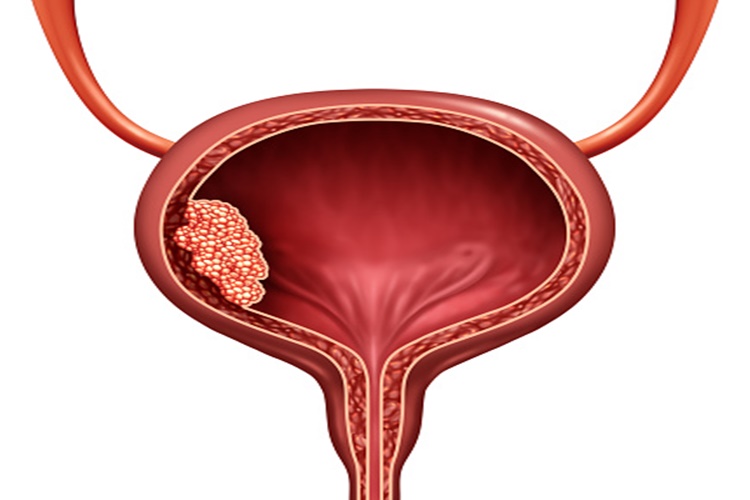
What is
a bladder stone?
Bladder stones (vesical calculi) are hard mineral deposits that form in or accumulate in the urinary bladder. They are less common than kidney stones, and unlike kidney stones, they usually have a clear underlying cause — most often, the bladder isn't emptying completely.
When urine sits in the bladder for too long, salts and minerals crystallise and stones form. Common reasons for incomplete emptying include benign prostatic hyperplasia (BPH) in men, bladder outlet obstruction, neurogenic bladder, and indwelling catheters.
Some bladder stones come from above — kidney stones that descended into the bladder and grew larger there. Others form de novo in the bladder itself.
Bladder stone
warning signs.
- Lower abdominal pain — sometimes constant, sometimes only with urination
- Painful or burning urination (dysuria)
- Frequent urination, especially at night (nocturia)
- Sudden interruption of urine flow — stone rolls into bladder neck
- Blood in urine (visible or microscopic)
- Recurrent urinary tract infections
- Cloudy or foul-smelling urine
- In children: irritability, bedwetting (in previously dry child)
Cystolitholapaxy
+ cause correction.
Cystolitholapaxy is the standard bladder stone procedure. A scope is passed through the urethra into the bladder, and the stone is fragmented using a laser (Holmium or Thulium Fiber). The fragments are then washed out. No external cut.
For very large stones (over 5 cm) or stones in patients with anatomical constraints, an open or laparoscopic cystolithotomy may be considered — though laser cystolitholapaxy can handle most cases.
Equally important: the underlying cause. In men with BPH, the same anaesthetic session typically includes a TURP or HoLEP to address the prostate. Without treating the cause, the bladder stone returns.
Transparent pricing.
| Procedure | Starting from |
|---|---|
| Consultation | ₹ [____] |
| Diagnostic workup (uroflow + ultrasound + cysto) | ₹ [____] |
| Laser cystolitholapaxy | from ₹ [____] |
| Combined cystolitholapaxy + TURP | from ₹ [____] |
| Combined cystolitholapaxy + HoLEP | from ₹ [____] |
Cashless treatment with all major insurers.
Most CGHS / ECHS / PSU panels supported. We handle pre-authorisation paperwork for you. Call +91 9509370455 for a personalised estimate. EMI options available for self-pay patients.
Bladder stones —
your questions.
Bladder stones usually form when the bladder doesn't empty completely. In men, prostate enlargement is the leading cause. Other causes include neurogenic bladder, urethral stricture, and indwelling catheters.
Done under general or spinal anaesthesia — no pain during the procedure. Mild discomfort and burning during urination for 1–2 days afterwards is common.
Very small bladder stones (under 3 mm) may pass through the urethra. Most need procedural removal because the urethra is narrow and the stones tend to be larger.
If BPH is the cause of your bladder stone, yes. Otherwise the stone recurs. We typically do both procedures in the same anaesthetic session.
Most patients are discharged the same day or next morning. Back to normal activities in 3–5 days. If combined with TURP/HoLEP, recovery is slightly longer.
