Bladder Stone Treatment: Symptoms, Causes, Diagnosis & Laser Surgery
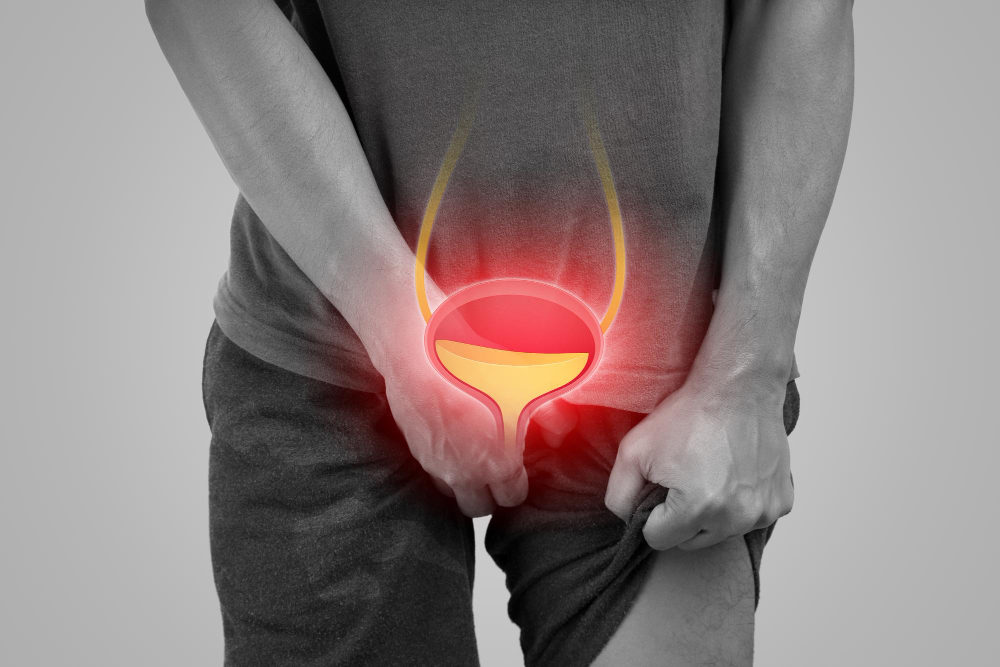
Bladder stones are hard mineral deposits that develop inside the urinary bladder when urine remains in the bladder for a long time and becomes concentrated. These stones can range from tiny particles to large stones that cause pain, urinary blockage, recurrent infections, and bleeding.
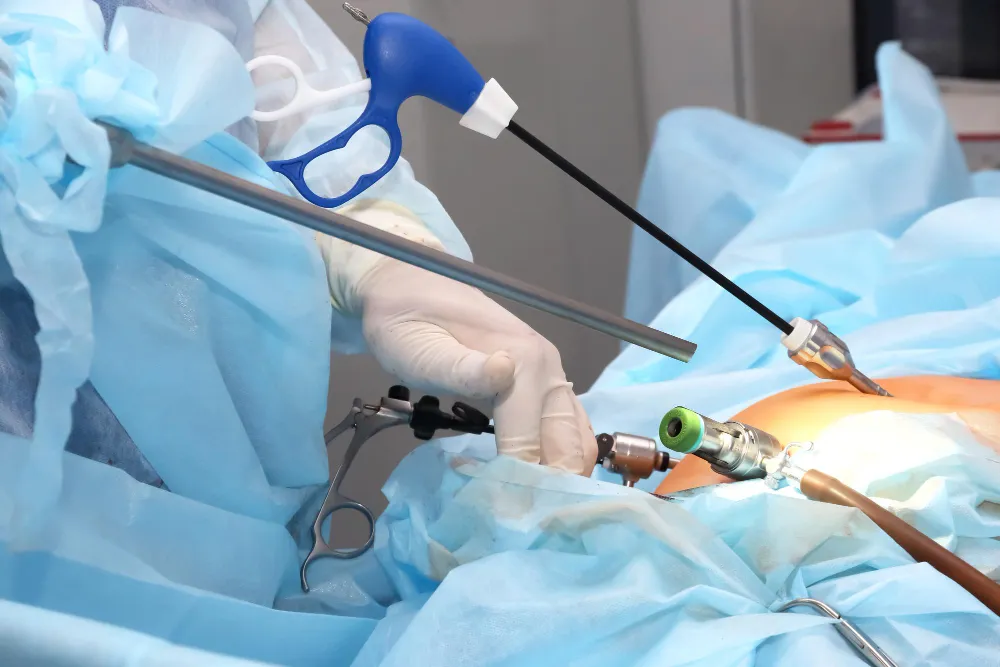
Modern urology offers minimally invasive treatments such as Laser Cystolitholapaxy, allowing patients to recover quickly without the need for major surgery.
If left untreated, bladder stones can lead to repeated urinary tract infections, bladder damage, and kidney complications. Early diagnosis and timely treatment are essential for maintaining urinary health.
What are Bladder Stones?
Bladder stones are hard masses formed from minerals present in urine. They usually develop when the bladder does not empty completely after urination.
Residual urine allows minerals to crystallize over time, eventually forming stones.
Bladder stones are more common in:
- Older men
- Patients with enlarged prostate (BPH)
- People with long-term urinary catheters
- Patients with neurogenic bladder
- Individuals with recurrent urinary infections
Symptoms of Bladder Stones
Symptoms vary depending on the size and number of stones.
Common symptoms include:
- Pain in the lower abdomen
- Pain while passing urine
- Frequent urination
- Sudden urge to urinate
- Interrupted urine stream
- Difficulty passing urine
- Blood in urine (Hematuria)
- Cloudy or foul-smelling urine
- Recurrent urinary tract infections
- Inability to completely empty the bladder
Large stones may block urine flow completely and require emergency treatment.
Causes of Bladder Stones
Bladder stones usually develop because urine remains inside the bladder instead of draining completely.
Common causes include:
Enlarged Prostate (BPH)
The most common cause in older men. An enlarged prostate obstructs urine flow, leaving residual urine in the bladder.
Neurogenic Bladder
Patients with spinal cord injury, stroke, Parkinson’s disease, or diabetes may have poor bladder emptying.
Urinary Tract Infection (UTI)
Repeated infections can contribute to stone formation.
Long-Term Catheter
Urinary catheters may encourage mineral deposits that eventually become stones.
Foreign Bodies
Surgical stitches or foreign materials inside the bladder can act as a nucleus for stone formation.
Bladder Outlet Obstruction
Any condition preventing complete bladder emptying increases the risk of stone formation.
Risk Factors
You may have a higher risk if you:
- Are over 50 years of age
- Have an enlarged prostate
- Have recurrent UTIs
- Have a urinary catheter
- Have neurogenic bladder
- Drink insufficient water
- Have previous bladder stones
How are Bladder Stones Diagnosed?
Your urologist may recommend the following investigations:
Urine Examination
Detects blood, infection, and crystals.
Urine Culture
Identifies bacterial infection.
Ultrasound KUB
A simple and effective test to detect bladder stones.
X-ray KUB
Some bladder stones are visible on X-ray.
CT Scan
Provides detailed information about the size, number, and location of stones.
Cystoscopy
A small camera is inserted into the bladder through the urethra to directly visualize the stone and assess the bladder.
Treatment Options
Treatment depends on the size, number, and underlying cause of the stones.
Small Bladder Stones
Very small stones may pass naturally with increased fluid intake, although this is uncommon.
Medications
Medicines may help relieve urinary symptoms or treat infections but cannot dissolve most bladder stones.
Laser Cystolitholapaxy (Laser Bladder Stone Surgery)
This is the most commonly recommended minimally invasive treatment.
A thin endoscope is passed through the natural urinary passage into the bladder. A high-powered Holmium laser breaks the stone into tiny fragments, which are then removed.
Benefits
- No external cuts
- Minimal bleeding
- Less pain
- Short hospital stay
- Faster recovery
- High success rate
- Safe and minimally invasive
Percutaneous Cystolitholapaxy
For selected patients with very large stones, a small incision above the pubic bone may be used to remove the stones.
Open Surgery
Rarely required today and generally reserved for extremely large bladder stones or when another bladder operation is needed simultaneously.
Recovery After Laser Surgery
Most patients recover quickly after laser bladder stone removal.
Recovery advice includes:
- Drink plenty of water.
- Take prescribed antibiotics.
- Avoid heavy lifting for one to two weeks.
- Complete follow-up appointments.
- Treat the underlying cause to prevent recurrence.
Most patients return to normal daily activities within a few days.
Can Bladder Stones Return?
Yes. Stones may recur if the underlying cause is not corrected.
To reduce recurrence:
- Drink 2.5–3 liters of water daily.
- Treat enlarged prostate.
- Manage urinary infections promptly.
- Empty the bladder completely.
- Follow your urologist’s advice.
- Attend regular follow-up visits.
When Should You Consult a Urologist?
Seek medical attention if you experience:
- Blood in urine
- Difficulty passing urine
- Recurrent urinary tract infections
- Lower abdominal pain
- Interrupted urine flow
- Inability to empty the bladder completely
Early diagnosis helps prevent kidney damage and recurrent infections.
Conclusion
Bladder stones are a treatable condition, but delaying treatment can lead to infections, urinary obstruction, and kidney damage. Modern procedures such as Laser Cystolitholapaxy provide a safe, minimally invasive, and highly effective solution with faster recovery and excellent outcomes.
If you have symptoms such as painful urination, blood in urine, recurrent infections, or difficulty emptying your bladder, consult an experienced urologist for accurate diagnosis and personalized treatment.
Early treatment not only removes the stone but also addresses the underlying cause, helping prevent future recurrence and protecting long-term urinary health.
Recent Blog

Get in Touch
Dr. Deepesh Kalra
+919509370455
drdeepeshkalraofficial@gmail.com
Mon – Sat: 09:00 AM - 08:00 PM, Sun - Off
128, ram gali, 3, rajapark, Jaipur, Rajasthan 302004