
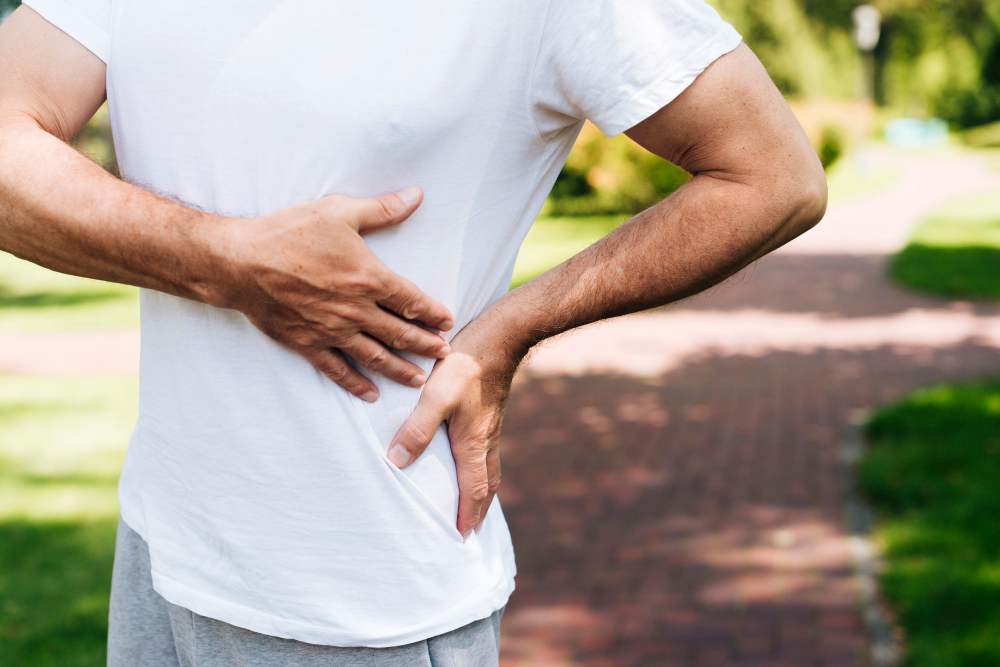
Kidney Stone Treatment: Symptoms, Causes, Diagnosis & Advanced Treatment Options
Kidney stones are one of the most common urological conditions affecting people of all ages. They occur when minerals and salts in the urine crystallize and form hard deposits inside the kidneys. While some stones are small enough to pass naturally, larger stones can block the urinary tract, causing severe pain and complications if left untreated.
Fortunately, modern urology offers advanced minimally invasive treatments such as RIRS, PCNL, URSL, and Laser Stone Surgery, allowing patients to recover faster with less pain and excellent success rates.
What Are Kidney Stones?
Kidney stones are hard deposits made of minerals such as calcium, oxalate, uric acid, or cystine. They develop when urine becomes concentrated, allowing these substances to crystallize and stick together.
The stones may remain inside the kidney or travel through the ureter toward the bladder. During movement, they can cause intense pain and urinary obstruction.
Types of Kidney Stones
Calcium Stones
The most common type, usually formed from calcium oxalate.
Uric Acid Stones
Often associated with dehydration, gout, or a high-protein diet.
Struvite Stones
Usually develop due to recurrent urinary tract infections.
Cystine Stones
A rare type caused by an inherited metabolic disorder.
Common Symptoms of Kidney Stones
Symptoms depend on the size and location of the stone.
- Severe pain in the back or side
- Pain radiating to the lower abdomen or groin
- Blood in urine (Hematuria)
- Burning while passing urine
- Frequent urge to urinate
- Nausea and vomiting
- Fever and chills (when infection is present)
- Difficulty passing urine
Causes of Kidney Stones
Kidney stones can develop due to several factors:
- Drinking insufficient water
- High salt intake
- Excess animal protein
- Family history of kidney stones
- Obesity
- Diabetes
- Recurrent urinary tract infections
- Certain metabolic disorders
- Low citrate levels in urine
Risk Factors
You may have a higher risk if you:
- Have had kidney stones before
- Consume less than 2 liters of water daily
- Eat excessive processed foods
- Are overweight
- Have gout
- Have a family history of kidney stones
Diagnosis
Your urologist may recommend:
Urine Analysis
To detect blood, infection, or crystals.
Blood Tests
To evaluate kidney function and mineral levels.
Ultrasound (USG KUB)
A simple imaging test used for initial diagnosis.
CT KUB Scan
The gold standard for detecting kidney stones.
X-ray KUB
Helpful for identifying certain types of stones.
Kidney Stone Treatment Options
Treatment depends on the stone’s size, location, symptoms, and overall health.
1. Medical Management
Small stones (usually less than 5 mm) often pass naturally with:
- Increased water intake
- Pain-relieving medications
- Alpha-blockers (Medical Expulsive Therapy)
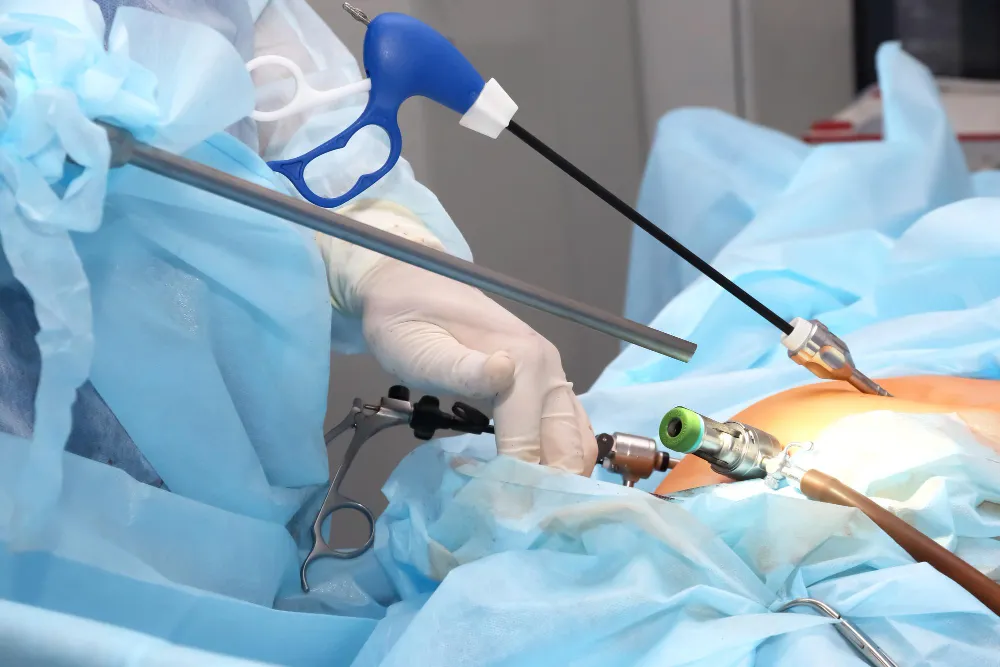
2. RIRS (Retrograde Intrarenal Surgery)
RIRS is a modern laser procedure performed through the natural urinary passage.
Advantages
- No cuts or stitches
- Minimal pain
- Faster recovery
- Suitable for stones up to 2 cm
- Usually discharged within 24 hours
3. PCNL (Percutaneous Nephrolithotomy)
Recommended for large kidney stones (>2 cm).
A small incision is made in the back to remove the stone directly.
Benefits
- Excellent stone clearance
- Ideal for complex or large stones
- Minimally invasive compared to open surgery
4. URSL (Ureteroscopy Laser Lithotripsy)
Used for stones lodged in the ureter.
A thin scope is inserted through the urinary passage, and a laser breaks the stone into tiny fragments.
5. ESWL (Shock Wave Lithotripsy)
High-energy shock waves are used to break smaller stones so they can pass naturally in the urine.
Recovery After Kidney Stone Surgery
Recovery depends on the treatment performed.
- Walking usually begins the same day.
- Mild discomfort may last for a few days.
- Drink plenty of water.
- Avoid strenuous activities for a short period.
- Take medications exactly as prescribed.
- Attend follow-up appointments.
How to Prevent Kidney Stones
You can reduce the risk of recurrence by:
- Drinking 2.5–3 liters of water daily
- Reducing salt intake
- Limiting sugary beverages
- Eating a balanced diet
- Maintaining a healthy weight
- Following your doctor’s dietary recommendations
- Undergoing regular follow-up if you have recurrent stones
When Should You See a Urologist?
Consult a urologist immediately if you experience:
- Severe flank or back pain
- Blood in urine
- Fever with kidney stone symptoms
- Difficulty passing urine
- Persistent vomiting
- Recurrent kidney stones
Frequently Asked Questions
Can kidney stones pass naturally?
Yes. Small stones may pass naturally with adequate hydration and medication.
Which treatment is best for kidney stones?
The best treatment depends on the stone’s size, location, and composition. Your urologist will recommend the most suitable option.
Is laser kidney stone surgery painful?
No. Laser procedures are performed under anesthesia and generally involve minimal post-operative discomfort.
How long does recovery take?
Most patients return to normal activities within a few days after minimally invasive procedures.
Can kidney stones come back?
Yes. Without lifestyle changes and preventive care, kidney stones can recur. Drinking enough water and following dietary advice significantly lowers the risk.
Conclusion
Kidney stones are a common yet highly treatable condition. Early diagnosis and timely treatment can relieve pain, prevent complications, and preserve kidney function. With advanced techniques such as RIRS, PCNL, URSL, and Laser Stone Surgery, patients can achieve excellent outcomes with minimal discomfort and faster recovery.
If you experience symptoms of kidney stones, consult an experienced urologist for a comprehensive evaluation and a personalized treatment plan.
Recent Blog


Get in Touch
Dr. Deepesh Kalra
+919509370455
drdeepeshkalraofficial@gmail.com
Mon – Sat: 09:00 AM - 08:00 PM, Sun - Off
128, ram gali, 3, rajapark, Jaipur, Rajasthan 302004
