Category: Uncategorized

  • Bladder Stone Treatment: Symptoms, Causes, Diagnosis & Laser Surgery

    Bladder Stone Treatment: Symptoms, Causes, Diagnosis & Laser Surgery

    Bladder stones are hard mineral deposits that develop inside the urinary bladder when urine remains in the bladder for a long time and becomes concentrated. These stones can range from tiny particles to large stones that cause pain, urinary blockage, recurrent infections, and bleeding.

    Modern urology offers minimally invasive treatments such as Laser Cystolitholapaxy, allowing patients to recover quickly without the need for major surgery.

    If left untreated, bladder stones can lead to repeated urinary tract infections, bladder damage, and kidney complications. Early diagnosis and timely treatment are essential for maintaining urinary health.

    What are Bladder Stones?

    Bladder stones are hard masses formed from minerals present in urine. They usually develop when the bladder does not empty completely after urination.

    Residual urine allows minerals to crystallize over time, eventually forming stones.

    Bladder stones are more common in:

    • Older men
    • Patients with enlarged prostate (BPH)
    • People with long-term urinary catheters
    • Patients with neurogenic bladder
    • Individuals with recurrent urinary infections

    Symptoms of Bladder Stones

    Symptoms vary depending on the size and number of stones.

    Common symptoms include:

    • Pain in the lower abdomen
    • Pain while passing urine
    • Frequent urination
    • Sudden urge to urinate
    • Interrupted urine stream
    • Difficulty passing urine
    • Blood in urine (Hematuria)
    • Cloudy or foul-smelling urine
    • Recurrent urinary tract infections
    • Inability to completely empty the bladder

    Large stones may block urine flow completely and require emergency treatment.

    Causes of Bladder Stones

    Bladder stones usually develop because urine remains inside the bladder instead of draining completely.

    Common causes include:

    Enlarged Prostate (BPH)

    The most common cause in older men. An enlarged prostate obstructs urine flow, leaving residual urine in the bladder.

    Neurogenic Bladder

    Patients with spinal cord injury, stroke, Parkinson’s disease, or diabetes may have poor bladder emptying.

    Urinary Tract Infection (UTI)

    Repeated infections can contribute to stone formation.

    Long-Term Catheter

    Urinary catheters may encourage mineral deposits that eventually become stones.

    Foreign Bodies

    Surgical stitches or foreign materials inside the bladder can act as a nucleus for stone formation.

    Bladder Outlet Obstruction

    Any condition preventing complete bladder emptying increases the risk of stone formation.

    Risk Factors

    You may have a higher risk if you:

    • Are over 50 years of age
    • Have an enlarged prostate
    • Have recurrent UTIs
    • Have a urinary catheter
    • Have neurogenic bladder
    • Drink insufficient water
    • Have previous bladder stones

    How are Bladder Stones Diagnosed?

    Your urologist may recommend the following investigations:

    Urine Examination

    Detects blood, infection, and crystals.

    Urine Culture

    Identifies bacterial infection.

    Ultrasound KUB

    A simple and effective test to detect bladder stones.

    X-ray KUB

    Some bladder stones are visible on X-ray.

    CT Scan

    Provides detailed information about the size, number, and location of stones.

    Cystoscopy

    A small camera is inserted into the bladder through the urethra to directly visualize the stone and assess the bladder.

    Treatment Options

    Treatment depends on the size, number, and underlying cause of the stones.

    Small Bladder Stones

    Very small stones may pass naturally with increased fluid intake, although this is uncommon.

    Medications

    Medicines may help relieve urinary symptoms or treat infections but cannot dissolve most bladder stones.

    Laser Cystolitholapaxy (Laser Bladder Stone Surgery)

    This is the most commonly recommended minimally invasive treatment.

    A thin endoscope is passed through the natural urinary passage into the bladder. A high-powered Holmium laser breaks the stone into tiny fragments, which are then removed.

    Benefits

    • No external cuts
    • Minimal bleeding
    • Less pain
    • Short hospital stay
    • Faster recovery
    • High success rate
    • Safe and minimally invasive

    Percutaneous Cystolitholapaxy

    For selected patients with very large stones, a small incision above the pubic bone may be used to remove the stones.

    Open Surgery

    Rarely required today and generally reserved for extremely large bladder stones or when another bladder operation is needed simultaneously.

    Recovery After Laser Surgery

    Most patients recover quickly after laser bladder stone removal.

    Recovery advice includes:

    • Drink plenty of water.
    • Take prescribed antibiotics.
    • Avoid heavy lifting for one to two weeks.
    • Complete follow-up appointments.
    • Treat the underlying cause to prevent recurrence.

    Most patients return to normal daily activities within a few days.

    Can Bladder Stones Return?

    Yes. Stones may recur if the underlying cause is not corrected.

    To reduce recurrence:

    • Drink 2.5–3 liters of water daily.
    • Treat enlarged prostate.
    • Manage urinary infections promptly.
    • Empty the bladder completely.
    • Follow your urologist’s advice.
    • Attend regular follow-up visits.

    When Should You Consult a Urologist?

    Seek medical attention if you experience:

    • Blood in urine
    • Difficulty passing urine
    • Recurrent urinary tract infections
    • Lower abdominal pain
    • Interrupted urine flow
    • Inability to empty the bladder completely

    Early diagnosis helps prevent kidney damage and recurrent infections.

    Conclusion

    Bladder stones are a treatable condition, but delaying treatment can lead to infections, urinary obstruction, and kidney damage. Modern procedures such as Laser Cystolitholapaxy provide a safe, minimally invasive, and highly effective solution with faster recovery and excellent outcomes.

    If you have symptoms such as painful urination, blood in urine, recurrent infections, or difficulty emptying your bladder, consult an experienced urologist for accurate diagnosis and personalized treatment.

    Early treatment not only removes the stone but also addresses the underlying cause, helping prevent future recurrence and protecting long-term urinary health.

  • Kidney Stone Treatment: Symptoms, Causes, Diagnosis & Advanced Treatment Options

    Kidney Stone Treatment: Symptoms, Causes, Diagnosis & Advanced Treatment Options

    Kidney stones are one of the most common urological conditions affecting people of all ages. They occur when minerals and salts in the urine crystallize and form hard deposits inside the kidneys. While some stones are small enough to pass naturally, larger stones can block the urinary tract, causing severe pain and complications if left untreated.

    Fortunately, modern urology offers advanced minimally invasive treatments such as RIRS, PCNL, URSL, and Laser Stone Surgery, allowing patients to recover faster with less pain and excellent success rates.

    What Are Kidney Stones?

    Kidney stones are hard deposits made of minerals such as calcium, oxalate, uric acid, or cystine. They develop when urine becomes concentrated, allowing these substances to crystallize and stick together.

    The stones may remain inside the kidney or travel through the ureter toward the bladder. During movement, they can cause intense pain and urinary obstruction.

    Types of Kidney Stones

    Calcium Stones

    The most common type, usually formed from calcium oxalate.

    Uric Acid Stones

    Often associated with dehydration, gout, or a high-protein diet.

    Struvite Stones

    Usually develop due to recurrent urinary tract infections.

    Cystine Stones

    A rare type caused by an inherited metabolic disorder.

    Common Symptoms of Kidney Stones

    Symptoms depend on the size and location of the stone.

    • Severe pain in the back or side
    • Pain radiating to the lower abdomen or groin
    • Blood in urine (Hematuria)
    • Burning while passing urine
    • Frequent urge to urinate
    • Nausea and vomiting
    • Fever and chills (when infection is present)
    • Difficulty passing urine

    Causes of Kidney Stones

    Kidney stones can develop due to several factors:

    • Drinking insufficient water
    • High salt intake
    • Excess animal protein
    • Family history of kidney stones
    • Obesity
    • Diabetes
    • Recurrent urinary tract infections
    • Certain metabolic disorders
    • Low citrate levels in urine

    Risk Factors

    You may have a higher risk if you:

    • Have had kidney stones before
    • Consume less than 2 liters of water daily
    • Eat excessive processed foods
    • Are overweight
    • Have gout
    • Have a family history of kidney stones

    Diagnosis

    Your urologist may recommend:

    Urine Analysis

    To detect blood, infection, or crystals.

    Blood Tests

    To evaluate kidney function and mineral levels.

    Ultrasound (USG KUB)

    A simple imaging test used for initial diagnosis.

    CT KUB Scan

    The gold standard for detecting kidney stones.

    X-ray KUB

    Helpful for identifying certain types of stones.

    Kidney Stone Treatment Options

    Treatment depends on the stone’s size, location, symptoms, and overall health.

    1. Medical Management

    Small stones (usually less than 5 mm) often pass naturally with:

    • Increased water intake
    • Pain-relieving medications
    • Alpha-blockers (Medical Expulsive Therapy)

    2. RIRS (Retrograde Intrarenal Surgery)

    RIRS is a modern laser procedure performed through the natural urinary passage.

    Advantages

    • No cuts or stitches
    • Minimal pain
    • Faster recovery
    • Suitable for stones up to 2 cm
    • Usually discharged within 24 hours

    3. PCNL (Percutaneous Nephrolithotomy)

    Recommended for large kidney stones (>2 cm).

    A small incision is made in the back to remove the stone directly.

    Benefits

    • Excellent stone clearance
    • Ideal for complex or large stones
    • Minimally invasive compared to open surgery

    4. URSL (Ureteroscopy Laser Lithotripsy)

    Used for stones lodged in the ureter.

    A thin scope is inserted through the urinary passage, and a laser breaks the stone into tiny fragments.

    5. ESWL (Shock Wave Lithotripsy)

    High-energy shock waves are used to break smaller stones so they can pass naturally in the urine.

    Recovery After Kidney Stone Surgery

    Recovery depends on the treatment performed.

    • Walking usually begins the same day.
    • Mild discomfort may last for a few days.
    • Drink plenty of water.
    • Avoid strenuous activities for a short period.
    • Take medications exactly as prescribed.
    • Attend follow-up appointments.

    How to Prevent Kidney Stones

    You can reduce the risk of recurrence by:

    • Drinking 2.5–3 liters of water daily
    • Reducing salt intake
    • Limiting sugary beverages
    • Eating a balanced diet
    • Maintaining a healthy weight
    • Following your doctor’s dietary recommendations
    • Undergoing regular follow-up if you have recurrent stones

    When Should You See a Urologist?

    Consult a urologist immediately if you experience:

    • Severe flank or back pain
    • Blood in urine
    • Fever with kidney stone symptoms
    • Difficulty passing urine
    • Persistent vomiting
    • Recurrent kidney stones

    Frequently Asked Questions

    Can kidney stones pass naturally?

    Yes. Small stones may pass naturally with adequate hydration and medication.

    Which treatment is best for kidney stones?

    The best treatment depends on the stone’s size, location, and composition. Your urologist will recommend the most suitable option.

    Is laser kidney stone surgery painful?

    No. Laser procedures are performed under anesthesia and generally involve minimal post-operative discomfort.

    How long does recovery take?

    Most patients return to normal activities within a few days after minimally invasive procedures.

    Can kidney stones come back?

    Yes. Without lifestyle changes and preventive care, kidney stones can recur. Drinking enough water and following dietary advice significantly lowers the risk.

    Conclusion

    Kidney stones are a common yet highly treatable condition. Early diagnosis and timely treatment can relieve pain, prevent complications, and preserve kidney function. With advanced techniques such as RIRS, PCNL, URSL, and Laser Stone Surgery, patients can achieve excellent outcomes with minimal discomfort and faster recovery.

    If you experience symptoms of kidney stones, consult an experienced urologist for a comprehensive evaluation and a personalized treatment plan.

  • Erectile Dysfunction Treatment in Jaipur

    Erectile Dysfunction Treatment in Jaipur

    Dealing with erectile dysfunction (ED) can feel isolating, but you are far from alone. This common health concern affects millions of men, and the good news is that highly effective treatments are available right here in Jaipur. This guide is designed to give you a clear, comprehensive, and proactive approach to understanding and treating ED. Seeking information is the first, most powerful step you can take toward improving your health, well-being, and quality of life.

    We will walk you through everything, from the basic science of how an erection works to the full range of modern medical solutions. Think of this as your complete roadmap to recovery, empowering you to have confident conversations with a specialist and make informed decisions about your health.

    The Science of an Erection: What Goes Wrong in ED?

    To understand erectile dysfunction, it helps to first understand the science of a normal erection. It might seem simple, but it’s a complex process involving your brain, hormones, nerves, and blood vessels. Think of it like a perfectly coordinated team.

    When you become sexually aroused, your brain sends nerve signals down to the penis. These signals relax the muscles in two cylinder-shaped chambers of spongy tissue called the corpora cavernosa. As these muscles relax, blood vessels open up, allowing a surge of blood to flow in and fill these chambers. This rapid influx of blood is what makes the penis firm and erect. A membrane called the tunica albuginea then traps the blood inside, sustaining the erection during intercourse.

    Erectile dysfunction occurs when there’s a breakdown at any point in this process. It could be an issue with nerve signals, insufficient blood flow, hormonal imbalances, or even psychological factors that interfere with the brain’s initial signals. Identifying which part of the process is being disrupted is the key to finding the right treatment.

    Uncovering the Causes: Physical and Psychological Factors

    ED is rarely caused by just one thing. More often, it’s a mix of physical and psychological factors. Understanding these potential causes is crucial because the most effective erectile dysfunction treatment targets the root of the problem.

    Physical Causes of ED

    Many physical causes are linked to chronic health conditions that affect blood flow or nerve function.

    • Chronic Diseases: Conditions like heart disease, high blood pressure (hypertension), atherosclerosis (clogged blood vessels), and diabetes are leading causes of ED. They damage blood vessels and nerves essential for an erection.
    • Lifestyle Factors: Habits like smoking, excessive alcohol consumption, and drug use can constrict blood vessels and reduce blood flow throughout the body, including to the penis.
    • Obesity: Being overweight can lead to diabetes and other vascular diseases, directly increasing your risk of ED.
    • Hormonal Issues: Low levels of testosterone, a key male sex hormone, can reduce libido and contribute to erectile problems. Thyroid issues or other endocrine disorders can also play a role.
    • Medical Treatments and Injuries: Surgeries or radiation for cancers in the pelvic area (like prostate cancer) can damage nerves and arteries. Injuries to the pelvis, spinal cord, or penis can also lead to ED.

    Psychological Causes of ED

    The mind plays a huge role in sexual arousal. Mental and emotional health issues can be significant contributors.

    • Stress and Anxiety: Everyday stress from work, finances, or life, in general, can interfere with the brain’s ability to send arousal signals.
    • Performance Anxiety: Worrying about your ability to get and maintain an erection can create a self-fulfilling prophecy. One bad experience can lead to anxiety, which then causes further erectile problems.
    • Depression: Depression can cause a loss of interest in activities you once enjoyed, including sex. Some antidepressant medications can also have side effects that contribute to ED.
    • Relationship Problems: Issues with a partner, poor communication, or unresolved conflicts can create emotional distance and affect sexual intimacy.

    When to Consult a Specialist in Jaipur for ED

    It’s normal for men to experience occasional erection difficulties. However, it’s time to see a doctor when the problem becomes persistent. If you’re experiencing issues more than 50% of the time, or if it’s causing you or your partner distress, seeking professional medical advice is a wise decision.

    Most importantly, erectile dysfunction can be an early warning sign of a more serious underlying health problem, like heart disease or diabetes. A consultation with an ED specialist in Jaipur isn’t just about your sexual health; it’s about your overall health. Making that appointment is a proactive step toward taking control.

    The Diagnostic Journey: What to Expect at Your Jaipur Clinic Visit

    Walking into a clinic to discuss a personal issue like ED can be daunting. Knowing what to expect can help ease any anxiety. Your first visit is primarily a confidential conversation aimed at understanding your unique situation.

    A specialist will likely start by asking about your medical and sexual history. Questions might include:

    • When did the problem start?
    • How often does it happen?
    • Are you able to get erections at other times, such as during sleep?
    • What medications are you taking?
    • Have you experienced recent stress or life changes?

    This discussion is followed by a simple physical examination to check for any obvious health issues. The entire process is professional, respectful, and focused on one thing: finding the root cause of your ED so you can get the most effective erectile dysfunction treatment in Jaipur.

    Key Diagnostic Tests for Erectile Dysfunction

    Based on your initial consultation, your doctor may recommend a few tests to get a clearer picture of what’s causing your ED. These tests help rule out or confirm underlying conditions.

    • Blood Tests: A blood sample can be used to check for a variety of things, including low testosterone levels, signs of diabetes (blood sugar levels), high cholesterol, and indicators of heart disease.
    • Urinalysis: A urine test is another way to screen for diabetes and kidney problems.
    • Doppler Ultrasound: This is a specialized, non-invasive test that uses sound waves to evaluate blood flow in the penis. It helps your doctor see if a vascular problem is preventing you from getting a firm erection. It’s a key tool for diagnosing the cause of erectile dysfunction.

    First-Line Treatment: Oral Medications (Pills)

    For many men, the first step in treatment is oral medication. These pills, known as PDE5 inhibitors, are highly effective and have helped millions of men around the world.

    These medications include Sildenafil (Viagra), Tadalafil (Cialis), and Vardenafil (Levitra). They work by enhancing the effects of a natural chemical your body produces to relax muscles in the penis during arousal, thereby increasing blood flow.

    It’s important to remember that these are prescription medications. You must get them from a doctor after a proper evaluation. They are not a one-size-fits-all cure and may not be suitable for everyone, especially men with certain heart conditions or those taking specific medications like nitrates. Your ED specialist in Jaipur will determine if these are a safe and effective option for you.

    Non-Oral Medical Treatments: Injections and Suppositories

    If oral medications don’t work or are not an option for you, there are other highly effective medical treatments.

    Penile Self-Injections

    Also known as intracavernosal injection therapy, this involves using a very fine needle to inject medication directly into the base of the penis. It sounds intimidating, but the needle is extremely small, and patients report little to no pain. The medication, usually Alprostadil, produces a strong and reliable erection within 5 to 15 minutes. Your doctor will teach you how to do this safely at home. It’s a very effective method for many men who need a reliable erectile dysfunction treatment.

    Urethral Suppositories

    The Medicated Urethral System for Erection (MUSE) involves placing a tiny medicated pellet into the urethra (the tube that carries urine). The medication is absorbed through the urethral walls and helps trigger an erection.

    External Devices: Vacuum Erection Devices (VEDs)

    A Vacuum Erection Device (VED), sometimes called a penis pump, is a great drug-free option. It consists of a plastic cylinder, a pump (either manual or battery-operated), and a constriction ring.

    You place the cylinder over the penis and use the pump to create a vacuum, which draws blood into the penis and causes an erection. Once you are erect, you slide the constriction ring onto the base of the penis to trap the blood and maintain the erection for up to 30 minutes. VEDs are safe, effective, and a popular choice for men who want to avoid medications or surgery.

    Regenerative Medicine: Shockwave Therapy (LiSWT)

    One of the most exciting advances in erectile dysfunction treatment is Low-Intensity Shockwave Therapy (LiSWT). Unlike treatments that only manage symptoms, shockwave therapy for ED in Jaipur aims to restore natural function.

    This non-invasive, pain-free procedure uses low-energy sound waves to stimulate the penis. These sound waves trigger a process called neovascularization, which is the growth of new blood vessels. It also helps break up micro-plaque in existing vessels. The result is improved blood flow, making it easier to achieve and sustain erections naturally. Many men experience long-lasting improvements and a reduced need for other treatments.

    Advanced Regenerative Option: PRP Therapy

    Platelet-Rich Plasma (PRP) therapy is another cutting-edge regenerative treatment. It uses the healing power of your own body to repair and rejuvenate tissue in the penis.

    The process is simple: a small amount of your blood is drawn and spun in a centrifuge to concentrate the platelets, which are rich in growth factors. This Platelet-Rich Plasma is then injected into specific areas of the penis. These growth factors stimulate tissue repair, improve nerve function, and promote the formation of new blood vessels. PRP is often used alongside shockwave therapy to enhance results and provide a powerful, synergistic approach to erectile dysfunction treatment.

    The Surgical Solution: Penile Implants

    For men with severe ED who have not had success with other treatments, a penile implant offers a permanent and highly effective solution. This surgical procedure has one of the highest satisfaction rates of any ED treatment, for both patients and their partners.

    A penile implant is a medical device that is placed entirely inside the body. It’s discreet and allows a man to have an erection whenever he chooses. There are two main types:

    • Inflatable Implants: These are the most common type. They consist of cylinders placed in the penis, a pump in the scrotum, and a fluid reservoir in the abdomen. Squeezing the pump moves fluid into the cylinders, creating a firm, natural-feeling erection.
    • Semi-Rigid Implants: These consist of bendable rods placed in the penis. The penis is always firm but can be easily bent into an erect position for intercourse or downward for concealment.

    This is a definitive, long-term solution that has restored sexual confidence for countless men. Consulting a surgeon about penile implant surgery in Jaipur can help you understand if this is the right final step for you.

    Choosing the Best ED Doctor and Clinic in Jaipur

    Finding the right healthcare provider is the most important step in your treatment journey. You need a specialist who is not only qualified but also makes you feel comfortable and understood.

    Here’s a checklist for choosing the best doctor for erectile dysfunction in Jaipur:

    • Specialist Credentials: Look for a Urologist or an Andrologist. These doctors specialize in the male urinary and reproductive systems.
    • Experience: Ask how much experience the doctor has with various ED treatments, especially modern ones like shockwave therapy and penile implants.
    • Patient Reviews: Look for testimonials from other patients. Do they speak to the doctor’s expertise and compassionate care?
    • Clinic Technology: A top clinic will offer a full range of diagnostic and treatment options under one roof.
    • Focus on Privacy: The clinic should have a clear policy on patient confidentiality and provide a comfortable, private setting for consultations.

    The Power of Lifestyle: Diet, Exercise, and Habits

    Medical treatments are most effective when supported by a healthy lifestyle. What’s good for your heart is good for your erections.

    • Diet: Adopt a heart-healthy diet rich in fruits, vegetables, whole grains, and lean proteins. Foods that are good for your vascular system will improve blood flow everywhere, including to your penis.
    • Exercise: Aim for at least 30 minutes of moderate aerobic exercise most days of the week. Activities like brisk walking, swimming, or cycling are excellent. Pelvic floor exercises can also strengthen the muscles that help sustain an erection.
    • Healthy Habits: If you smoke, quitting is one of the best things you can do for your erectile function. Reducing alcohol intake and maintaining a healthy weight will also make a significant difference.

    Addressing the Mind: Counseling and Mental Health Support

    Never underestimate the psychological component of ED. If stress, anxiety, or depression are contributing factors, addressing them is a critical part of a holistic treatment plan.

    Sex therapy or counseling can help you or you and your partner work through issues like performance anxiety and relationship conflicts. A therapist can provide tools and strategies to break the cycle of anxiety and restore intimacy and confidence. Seeking mental health support is a sign of strength and an investment in your overall well-being.

    Your Path to Renewed Confidence and Health in Jaipur

    Erectile dysfunction is a treatable medical condition, not a personal failing. From lifestyle changes and oral medications to advanced regenerative therapies and permanent surgical solutions, a wide spectrum of effective options is available to you here in Jaipur.

    You’ve already taken the most important step by seeking out information. The next step is to use that knowledge to take action. Schedule a confidential consultation with a qualified specialist. It’s a proactive decision that will put you on the path toward renewed sexual health, confidence, and a better quality of life. Don’t wait—take control of your health today.

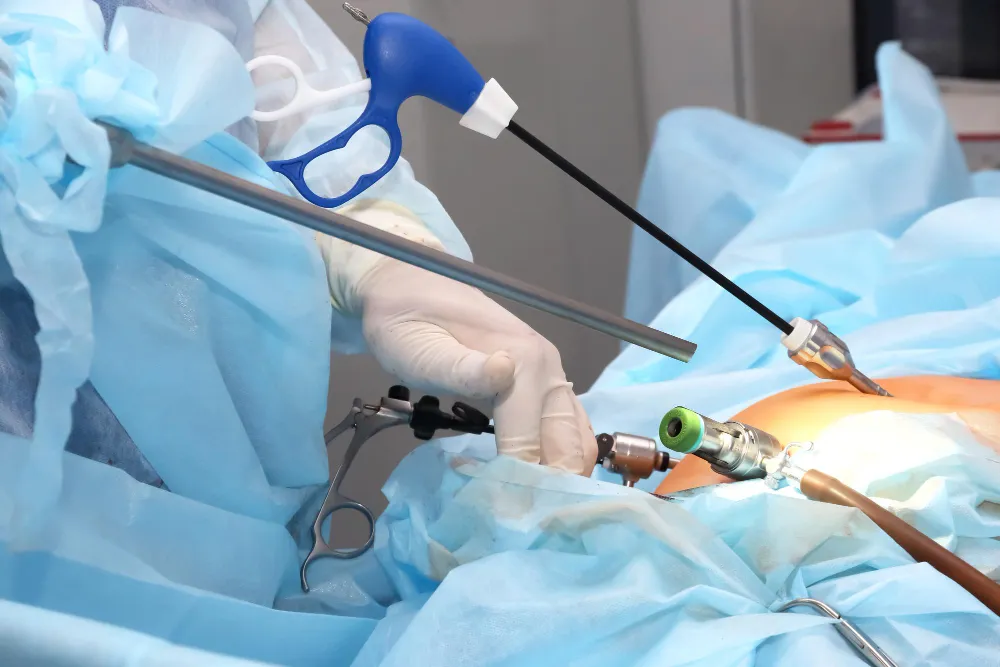
  • Finding the Best Laparoscopy Treatment in Jaipur

    Finding the Best Laparoscopy Treatment in Jaipur

    Making a decision about surgery can feel overwhelming. You want the best care, the quickest recovery, and the least amount of discomfort possible. If you or a loved one are exploring surgical options in Jaipur, you’ve likely heard about laparoscopy treatment. This modern approach has completely changed the way doctors perform surgery, offering a less invasive path to better health. But what exactly is it, and how do you find the right care in a city full of options?

    This guide is here to answer all your questions. We’ll walk you through everything you need to know about laparoscopy treatment in Jaipur. We will cover what the procedure involves, its significant benefits, how to choose the best doctors and hospitals, and what to expect before, during, and after your treatment. Think of this as your step-by-step manual for making a confident and informed healthcare decision.

    What is Laparoscopy? (Minimally Invasive Surgery)

    Imagine needing a repair inside your home, but instead of tearing down a whole wall, a skilled technician uses a tiny camera and special tools to fix the problem through a few small openings. That’s the basic idea behind laparoscopic surgery.

    Often called “keyhole surgery” or “minimally invasive surgery,” laparoscopy is a modern surgical technique used to examine and operate on organs inside the abdomen and pelvis. Unlike traditional open surgery, which requires a large incision, laparoscopy uses a few small cuts, typically no more than half an inch long.

    Here’s how it works:

    • A surgeon makes a small incision near the belly button.
    • A thin tube called a cannula is inserted, and carbon dioxide gas is used to gently inflate the abdomen. This creates space for the surgeon to see and work safely.
    • A laparoscope, a slender instrument with a high-resolution camera and light on the end, is inserted through the cannula.
    • The camera sends a magnified, real-time video feed to a monitor in the operating room, giving the surgeon a clear view of the internal organs.
    • One or more additional small incisions are made to insert specialized surgical tools to perform the necessary procedure.

    This technique allows surgeons to perform complex operations with incredible precision, all without the need for a large, disruptive incision.

    Common Conditions Treated with Laparoscopy

    The versatility of laparoscopy is one of its greatest strengths. Surgeons across various specialties use this technique to treat a wide range of conditions, offering patients a safer and more efficient path to recovery.

    Here are some of the most common procedures performed using laparoscopy treatment in Jaipur:

    General Surgery

    • Gallbladder Removal (Cholecystectomy): This is one of the most frequently performed laparoscopic procedures to treat gallstones and related complications.
    • Hernia Repair: Surgeons can repair various types of hernias, including inguinal, umbilical, and incisional hernias, by placing a surgical mesh to reinforce the weakened abdominal wall.
    • Appendectomy: When the appendix becomes inflamed (appendicitis), it can be safely and quickly removed laparoscopically.
    • Acid Reflux Surgery (Fundoplication): For severe cases of gastroesophageal reflux disease (GERD), surgeons can create a new valve at the bottom of the esophagus to prevent stomach acid from flowing back up.

    Gynecological Surgery

    • Hysterectomy: Removal of the uterus for conditions like fibroids, endometriosis, or cancer.
    • Ovarian Cyst Removal: Surgeons can remove cysts from the ovaries while preserving the organ.
    • Endometriosis Treatment: Laparoscopy is the gold standard for both diagnosing and removing endometrial tissue that has grown outside the uterus.
    • Myomectomy: Removal of uterine fibroids while leaving the uterus intact.

    Urology

    • Kidney Stone Removal: Procedures to access the kidney or ureter to remove large stones.
    • Nephrectomy: Removal of a kidney, often due to cancer or disease.

    This is just a sample of what’s possible. The applications of laparoscopy continue to expand as technology and surgical techniques advance.

    The Clear Advantages of Laparoscopic Surgery

    Why do so many patients and doctors prefer laparoscopic surgery over traditional open surgery? The benefits are significant and impact nearly every aspect of the patient’s experience, from pain and scarring to recovery time and hospital costs.

    • Less Pain: With smaller incisions, there is far less trauma to the skin and muscles. This results in significantly less postoperative pain and a reduced need for strong pain medication.
    • Faster Recovery Time: This is a major advantage. Most patients are up and walking within hours of the procedure. The return to normal daily activities, including work and driving, is much quicker compared to the weeks or even months of recovery needed after open surgery.
    • Shorter Hospital Stay: Many laparoscopic procedures can be performed on an outpatient basis, meaning you can go home the same day. For more complex operations, the hospital stay is typically reduced from several days to just one or two.
    • Minimal Scarring: Instead of one large, noticeable scar, patients are left with a few small marks that often fade and become nearly invisible over time. This cosmetic benefit is a significant plus for many.
    • Lower Risk of Infection: Large incisions have a higher risk of becoming infected. The small, sealed incisions used in laparoscopy dramatically reduce the chances of wound complications.
    • Reduced Blood Loss: The precision of laparoscopic tools and the clear view provided by the camera lead to less bleeding during the procedure.

    These advantages work together to create a much better surgical experience, helping you get back to your life sooner and with fewer complications.

    Finding the Best Laparoscopic Surgeon in Jaipur

    The success of your surgery depends heavily on the skill and experience of your surgeon. Jaipur has many talented medical professionals, but choosing the right one for your laparoscopy treatment requires careful consideration.

    Here is a step-by-step guide to finding the best laparoscopic surgeon in Jaipur:

    1. Verify Credentials and Qualifications: Look for a surgeon with an MS (Master of Surgery) in General Surgery or a related specialty. Advanced qualifications like a DNB (Diplomate of National Board) or specialized fellowships in minimally invasive surgery are excellent indicators of advanced training.
    2. Prioritize Experience: Don’t hesitate to ask about a surgeon’s experience. How many laparoscopic procedures have they performed? More importantly, how many of your specific procedures have they done? A surgeon who regularly performs the operation you need will be more adept at handling both routine and unexpected situations.
    3. Check Specialization: While many general surgeons perform laparoscopy, some specialize exclusively in minimally invasive techniques. These specialists are often at the forefront of the latest advancements and may be better equipped for more complex cases.
    4. Read Patient Reviews and Testimonials: Look for feedback on platforms like Google, Practo, or the hospital’s website. Pay attention to comments about the surgeon’s communication style, bedside manner, and the patient’s overall outcome. Consistent positive feedback is a great sign.
    5. Schedule a Consultation: The consultation is your opportunity to assess the surgeon directly. Are they willing to answer all your questions? Do they explain the procedure clearly and patiently? You should feel comfortable and confident in their care.

    A great surgeon will not only be technically skilled but will also be a partner in your healthcare journey, providing clear information and support every step of the way.

    Top Hospitals for Laparoscopy in Jaipur

    The hospital you choose is just as important as the surgeon. A top-tier facility provides the infrastructure, technology, and support staff necessary for a safe and successful laparoscopy treatment.

    When evaluating hospitals for laparoscopy in Jaipur, look for these key features:

    • Advanced Laparoscopic Equipment: Leading hospitals invest in the latest technology. This includes high-definition (HD), 3D, or even 4K laparoscopic imaging systems. These advanced cameras provide surgeons with exceptional depth perception and clarity, which is crucial for delicate procedures.
    • Dedicated Operating Theaters: The best hospitals have operating rooms (ORs) specifically equipped for minimally invasive surgery. These ORs are designed for efficiency and safety, with integrated systems and well-trained staff.
    • Experienced Anesthesia and Nursing Teams: A laparoscopic procedure is a team effort. An experienced anesthesiologist is vital for your safety and comfort during surgery. A skilled post-operative nursing team, trained in caring for laparoscopy patients, ensures a smooth and well-monitored recovery.
    • Accreditation: Look for hospitals with national accreditations like NABH (National Accreditation Board for Hospitals & Healthcare Providers). This certification indicates that the hospital meets high standards for patient safety and quality of care.
    • Comprehensive Post-Operative Care: A good hospital provides excellent care beyond the operating room. This includes clean and comfortable recovery rooms, attentive staff, and clear instructions for your care after you go home.

    Choosing a hospital that invests in both technology and its people will give you peace of mind, knowing you are in the best possible hands.

    The Laparoscopic Procedure: What to Expect

    Knowing what will happen on the day of your surgery can help ease any anxiety. While every procedure is different, here is a general step-by-step overview of the patient journey for a laparoscopic treatment.

    Step 1: Pre-Operative Preparation

    Your preparation begins days or even weeks before the surgery. You will have a consultation with your surgeon and anesthesiologist. You may need to undergo pre-operative tests like blood work, an ECG, or imaging scans to ensure you are fit for surgery. You will receive instructions on which medications to stop and will be told to fast (not eat or drink) for about 8-12 hours before the procedure.

    Step 2: Day of Surgery

    You will arrive at the hospital and complete the admission process. In the pre-op area, a nurse will check your vital signs, and you’ll change into a hospital gown. The anesthesiologist will meet with you again to discuss the plan. An IV line will be placed in your arm.

    Step 3: In the Operating Room

    You will be moved to the operating room and made comfortable on the surgical table. The anesthesia team will administer general anesthesia through your IV, so you will be completely asleep and feel no pain during the procedure. Once you are asleep, the surgical team will:

    • Clean the surgical area.
    • Make the first small incision and inflate your abdomen with CO2 gas.
    • Insert the laparoscope and other surgical instruments.
    • Perform the surgery while watching the high-definition monitor.

    Step 4: Immediate Post-Operative Care

    After the surgery is finished, the instruments are removed, the gas is released, and the small incisions are closed with stitches or surgical glue and covered with small dressings. You will then be moved to the recovery room. Here, a specialized nurse will monitor you closely as you wake up from anesthesia. They will check your breathing, blood pressure, and pain levels.

    Recovery and Post-Operative Care

    Your recovery journey continues after you leave the hospital. Following your surgeon’s instructions is essential for a smooth and speedy healing process.

    Here’s what you can generally expect during your recovery from laparoscopy:

    • Pain Management: You will likely feel some soreness at the incision sites and may experience shoulder pain. This shoulder pain is caused by the CO2 gas used during surgery and usually subsides within a day or two. Your doctor will prescribe pain medication to keep you comfortable.
    • Wound Care: Keep the small dressings over your incisions clean and dry. You will receive specific instructions on when you can shower and how to care for the wounds. Because the incisions are so small, the risk of infection is low.
    • Diet: You will likely start with clear liquids and progress to soft foods before returning to your normal diet. It’s important to drink plenty of fluids to stay hydrated.
    • Activity: You will be encouraged to start walking as soon as possible to help with circulation and prevent blood clots. Avoid heavy lifting and strenuous exercise for a few weeks, as advised by your surgeon. Most people can return to a desk job within one to two weeks.
    • Follow-up Appointment: You will have a follow-up appointment with your surgeon about a week or two after the procedure to check on your healing and remove any stitches if necessary.

    Listen to your body and don’t push yourself too hard. A proper recovery is the final step to a successful surgical outcome.

    Cost of Laparoscopy Treatment in Jaipur

    Understanding the financial aspect of your treatment is crucial for planning. The cost of laparoscopy treatment in Jaipur can vary widely based on several factors.

    Here’s a breakdown of what influences the final price:

    • Type of Procedure: A complex surgery like a hysterectomy or cancer removal will cost more than a simpler procedure like an appendectomy.
    • Surgeon’s Fee: Highly experienced and specialized surgeons may charge more for their expertise.
    • Hospital Charges: The choice of hospital makes a big difference. Premium hospitals with advanced technology and amenities will have higher charges for the operating room, room rent, and nursing care.
    • Room Type: A private room will cost more than a semi-private or general ward bed.
    • Duration of Hospital Stay: The longer you need to stay in the hospital, the higher the overall cost.
    • Insurance Coverage: The extent of your health insurance coverage will determine your out-of-pocket expenses.

    As a general estimate, a basic laparoscopic surgery cost in Jaipur can range from ₹40,000 to ₹80,000, while more complex procedures can cost ₹1,50,000 or more. It is essential to get a detailed cost estimate from your chosen hospital before the procedure. Most hospitals have financial counselors who can provide a breakdown and explain the expenses.

    Conclusion: Take the Next Step Towards Better Health

    Choosing to undergo surgery is a significant decision, but with modern techniques like laparoscopy, the journey to recovery has never been safer or more efficient. This minimally invasive approach offers clear benefits, including less pain, minimal scarring, and a much faster return to your daily life.

    Jaipur stands as a leading center for advanced medical care, with highly skilled surgeons and state-of-the-art hospitals ready to provide exceptional laparoscopy treatment. You are now equipped with the knowledge to navigate your options confidently—from understanding the procedure to selecting the right doctor and facility for your needs.

    Don’t let uncertainty or fear hold you back from getting the care you deserve. The next step is the most important one: schedule a consultation with a qualified surgeon. Discuss your condition, ask questions, and create a personalized treatment plan that puts you on the path to better health. Your well-being is worth it.

  • Male Sexual Problem Treatment in Jaipur

    Male Sexual Problem Treatment in Jaipur

    Talking about sexual health can feel difficult, but it’s a vital part of your overall well-being. If you’re experiencing issues, know that you are not alone. Millions of men face similar challenges, and the great news is that effective, confidential help is readily available. This guide is designed to walk you through everything you need to know about male sexual problem treatment in Jaipur. We will cover common conditions, modern solutions, and how you can take the first step towards reclaiming your confidence and improving your quality of life.

    Jaipur has emerged as a trusted center for medical care, offering experienced specialists and advanced facilities dedicated to men’s health. Let’s explore your path to renewed wellness.

    Understanding Common Male Sexual Problems

    The first step toward finding a solution is understanding the problem. Male sexual dysfunction is a broad term that covers several specific, treatable conditions. Getting familiar with them can help you identify what you might be experiencing.

    Erectile Dysfunction (ED)

    Often the most-discussed sexual health issue, Erectile Dysfunction (ED) is the consistent inability to get or keep an erection firm enough for sexual intercourse. While it’s normal to experience this occasionally, persistent ED can be a sign of an underlying health concern and can significantly impact self-esteem and relationships. This is a very common condition, and there are many effective options for Erectile dysfunction treatment in Jaipur.

    Premature Ejaculation (PE)

    Premature Ejaculation (PE) occurs when a man ejaculates sooner than he or his partner would like during sex. It can be frustrating and cause performance anxiety, creating a cycle that makes the problem worse. Like ED, it’s a widespread issue, and seeking premature ejaculation solutions in Jaipur can lead to significant improvements in sexual satisfaction and control.

    Low Libido

    Low libido, or hypoactive sexual desire disorder, is characterized by a reduced interest in sexual activity. It’s not just about a temporary dip in desire; it’s a persistent lack of sexual thoughts or fantasies that can cause personal distress. Its causes are often complex, involving both physical and psychological factors.

    Delayed Ejaculation

    On the other end of the spectrum from PE is delayed ejaculation, where a man requires a prolonged period of sexual stimulation to ejaculate, or is unable to ejaculate at all. This can also lead to frustration and anxiety for both partners.

    The Root Causes: Physical and Psychological Factors

    Male sexual problems rarely stem from a single source. They are often the result of a complex interplay between physical and psychological factors.

    Physical Causes

    Your sexual health is closely linked to your overall physical health. Many common medical conditions can contribute to sexual dysfunction:

    • Cardiovascular Disease: Conditions like high blood pressure and atherosclerosis (clogged arteries) can restrict blood flow to the penis, making it difficult to achieve an erection.
    • Diabetes: High blood sugar can damage nerves and blood vessels, leading to ED.
    • Hormonal Imbalances: Low testosterone can be a primary cause of low libido and can also contribute to erectile difficulties.
    • Neurological Disorders: Conditions such as Multiple Sclerosis or Parkinson’s disease can interfere with the nerve signals required for sexual response.
    • Lifestyle Factors: Smoking, excessive alcohol consumption, obesity, and a sedentary lifestyle are major contributors to sexual dysfunction.

    Psychological Causes

    The mind plays a powerful role in sexual arousal and performance. Psychological triggers are just as important to address:

    • Stress and Anxiety: Worries about work, finances, or life in general can spill over into the bedroom, causing performance anxiety and distraction.
    • Depression: This common mental health condition can sap interest in activities you once enjoyed, including sex.
    • Relationship Issues: Unresolved conflicts, poor communication, or a lack of emotional intimacy with a partner can directly impact sexual function.
    • Past Trauma: Negative sexual experiences or a strict upbringing regarding sex can create lasting psychological barriers.

    The Impact of Untreated Sexual Problems

    Ignoring a sexual health issue rarely makes it go away. In fact, leaving it unaddressed can have a ripple effect across your entire life.

    The emotional toll is often the most significant. Men may experience a loss of self-esteem, feelings of inadequacy, and a decline in confidence that affects their personal and professional lives. This can lead to increased anxiety or even depression.

    Relationships can also become strained. A lack of intimacy can create distance between partners, leading to frustration, resentment, and a breakdown in communication. Many men withdraw emotionally, fearing failure or disappointing their partner. Seeking male sexual problem treatment in Jaipur is not just about restoring sexual function; it’s about rebuilding confidence, strengthening relationships, and improving your overall quality of life.

    Medical Treatments Available in Jaipur: A Step-by-Step Guide

    Fortunately, Jaipur is home to modern clinics and expert specialists who offer a wide range of effective treatments. A consultation with a sexologist or urologist is the first step.

    Step 1: Diagnosis and Consultation

    Your journey begins with a confidential conversation. A doctor will ask about your symptoms, medical history, and lifestyle. They may perform a physical exam and recommend tests, such as blood work to check hormone levels or a Doppler ultrasound to assess blood flow. This comprehensive diagnosis is crucial for creating a personalized treatment plan.

    Step 2: First-Line Treatments

    For many men, treatment starts with the least invasive options:

    • Oral Medications (PDE5 Inhibitors): Drugs like Sildenafil (Viagra), Tadalafil (Cialis), and Vardenafil (Levitra) are highly effective for ED. They work by increasing blood flow to the penis. Your doctor will determine the right medication and dosage for you.
    • Counseling and Sex Therapy: If the root cause is psychological, speaking with a therapist can be transformative. Sex therapy can help you address anxiety, improve communication with your partner, and develop healthy coping strategies.

    Step 3: Advanced Medical Interventions

    If first-line treatments aren’t enough, your doctor in Jaipur may suggest more advanced options:

    • Testosterone Replacement Therapy (TRT): For men diagnosed with low testosterone, TRT can restore hormone levels, boosting libido and improving erectile function.
    • Low-Intensity Shockwave Therapy (LiSWT): This is a non-invasive, painless procedure that uses energy waves to stimulate the growth of new blood vessels in the penis, improving blood flow and natural erectile function over time.
    • Penile Implants: For severe cases of ED where other treatments have failed, a penile implant is a surgical solution that provides a reliable, long-term way to achieve an erection.

    Why Jaipur is a Premier Destination for Treatment

    Choosing where to seek help is a big decision. Jaipur stands out as an excellent choice for several key reasons:

    • Experienced Specialists: The city has a high concentration of qualified and experienced sexologists in Jaipur and urologists who specialize in men’s sexual health.
    • Advanced Facilities: Clinics are equipped with modern diagnostic tools and offer the latest treatments, from shockwave therapy to minimally invasive procedures.
    • Commitment to Privacy: Doctors and clinics in Jaipur understand the sensitive nature of these issues and prioritize patient confidentiality, creating a safe and comfortable environment.
    • Reputation as a Healthcare Hub: As a major city in Rajasthan, Jaipur is a trusted destination for quality medical care, attracting patients from across the region.

    The Partner’s Role in a Successful Journey

    A sexual health problem doesn’t just affect one person; it affects the couple. Involving your partner in the treatment process can make a world of difference. Open and honest communication is the foundation. Talking about your feelings, fears, and frustrations can reduce anxiety and bring you closer together.

    A supportive partner can provide emotional encouragement, attend doctor’s appointments with you, and participate in couples counseling. Viewing the treatment as a shared journey can strengthen your bond and lead to better outcomes for both of you. Many clinics offering male sexual problem treatment in Jaipur also provide resources for couples.

    Expert Advice: Proactive Steps for Lifelong Sexual Health

    While treatment is effective, you can also take proactive steps to protect and improve your sexual health. Think of these as a long-term investment in your well-being.

    • Maintain a Heart-Healthy Diet: What’s good for your heart is good for your erections. Focus on fruits, vegetables, whole grains, and lean proteins.
    • Get Regular Exercise: Aim for at least 30 minutes of moderate activity most days of the week. Exercise improves blood flow, helps maintain a healthy weight, and reduces stress.
    • Manage Stress: Find healthy outlets for stress, such as yoga, meditation, or hobbies you enjoy.
    • Quit Smoking and Reduce Alcohol: Smoking damages blood vessels, and excessive alcohol can interfere with sexual function.
    • Prioritize Sleep: Aim for 7-9 hours of quality sleep per night. Sleep is crucial for hormone regulation and overall health.

    Conclusion: Take the First Step Towards a Renewed You

    Facing a sexual health problem can feel isolating, but it is a medical condition, not a personal failure. Effective, confidential, and modern male sexual problem treatment in Jaipur is within your reach. The city’s expert specialists and advanced clinics are equipped to help you identify the root cause of your issue and find a solution that works for you.

    Don’t let hesitation hold you back from a healthier, more confident life. The most important step is the first one. Take control of your well-being today. Book a consultation with a specialist and begin your journey toward a renewed you.

    Frequently Asked Questions (FAQs)

    Is male sexual problem treatment in Jaipur confidential?

    Absolutely. Medical professionals are bound by strict codes of ethics. Your consultation and treatment are completely private. Reputable clinics prioritize creating a secure and confidential environment.

    What is the cost of ED treatment in Jaipur?

    The cost varies widely depending on the treatment. A consultation fee may range from ₹500 to ₹2000. Medications can cost a few hundred rupees per month, while advanced procedures like shockwave therapy or surgery are more significant investments. Many doctors offer payment plans.

    How quickly will I see results?

    This depends on the cause and the treatment. Men taking oral medication for ED may see results with the first dose. For issues rooted in psychology, therapy may take several weeks or months to show significant improvement. Your doctor will give you a realistic timeline.

    Is it embarrassing to see a sexologist?

    It’s natural to feel a little hesitant, but remember that a sexologist is a medical professional, just like a cardiologist or a dentist. They are trained to handle these issues with sensitivity and professionalism. Their only goal is to help you.

    Do I need a referral to see a specialist?

    In most cases, you do not need a referral. You can directly book an appointment with a sexologist or urologist in Jaipur.

  • ZSR Circumcision in Jaipur: Benefits & Costs

    ZSR Circumcision in Jaipur: Benefits & Costs

    If you’re considering ZSR circumcision in Jaipur, you’re in the right place. This guide will walk you through everything you need to know about the procedure, its benefits, costs, and why Jaipur is a top destination for this advanced medical treatment.

    Whether you’re looking for a painless circumcision or exploring the latest innovations in healthcare, this article will provide a step-by-step guide to help you make an informed decision.

    What is ZSR Circumcision?

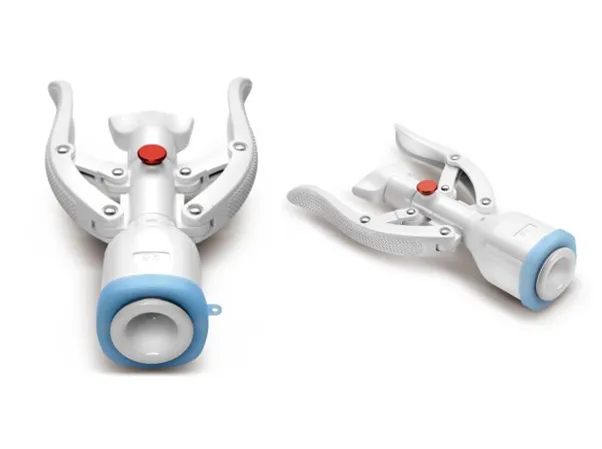
    ZSR circumcision is a modern, minimally invasive procedure that uses a ZSR stapler device to perform circumcision with precision and efficiency. Unlike traditional methods, this technique is faster, safer, and involves minimal pain.

    The ZSR stapler works by simultaneously cutting and stapling the foreskin, reducing the risk of bleeding and infection. It’s a popular choice for individuals seeking a quick recovery and a painless experience.

    Key Features of ZSR Circumcision

    • Minimally invasive: No stitches are required.
    • Faster recovery: Most patients resume normal activities within a week.
    • Reduced pain: Advanced technology ensures a comfortable experience.
    • High precision: The stapler device ensures uniform results.

    Benefits of ZSR Circumcision

    Choosing ZSR circumcision comes with several advantages over traditional methods. Here’s why it’s becoming the preferred choice:

    1. Painless Procedure

    The use of the ZSR stapler minimizes discomfort during and after the procedure. Local anesthesia ensures a pain-free experience.

    2. Faster Recovery

    Patients can return to their daily routines within 5-7 days, making it ideal for those with busy schedules.

    3. Minimal Scarring

    The precision of the stapler device ensures clean cuts, reducing the risk of visible scars.

    4. Lower Risk of Infection

    The procedure is performed in a sterile environment, and the stapler seals the wound, minimizing exposure to bacteria.

    5. High Success Rate

    With advanced technology and skilled surgeons, the success rate of ZSR circumcision is exceptionally high.

    Why Choose ZSR Circumcision in Jaipur?

    Jaipur has emerged as a hub for ZSR circumcision due to its combination of skilled surgeons, state-of-the-art clinics, and affordable healthcare.

    1. Experienced Surgeons

    Jaipur is home to some of the best urologists and surgeons specializing in ZSR circumcision. Their expertise ensures a safe and successful procedure.

    2. Advanced Clinics

    The city boasts modern medical facilities equipped with the latest technology, including the ZSR stapler device.

    3. Affordable Costs

    Compared to other cities, the cost of ZSR circumcision in Jaipur is highly competitive, making it accessible to a wider audience.

    4. Medical Tourism

    Jaipur’s reputation as a medical tourism destination attracts patients from across India and abroad. The city offers a perfect blend of quality healthcare and cultural experiences.

    The Procedure: Step-by-Step

    Here’s a step-by-step guide to what you can expect during the ZSR circumcision procedure:

    Step 1: Consultation

    • Meet with a qualified surgeon to discuss your medical history and determine if you’re a suitable candidate.
    • The doctor will explain the procedure and address any concerns.

    Step 2: Pre-Procedure Preparation

    • Follow the doctor’s instructions, which may include fasting for a few hours before the surgery.
    • Ensure the surgical area is clean and free of infections.

    Step 3: The Surgery

    • Local anesthesia is administered to numb the area.
    • The ZSR stapler is used to remove the foreskin and seal the wound simultaneously.
    • The procedure typically takes 15-30 minutes.

    Step 4: Post-Procedure Care

    • You’ll be monitored for a short period before being discharged.
    • Follow the aftercare instructions provided by your doctor.

    Who is a Candidate for ZSR Circumcision?

    ZSR circumcision is suitable for:

    • Individuals seeking a painless and quick recovery.
    • Those with medical conditions like phimosis or paraphimosis.
    • Patients looking for a minimally invasive procedure.

    However, it’s essential to consult a doctor to determine your eligibility.

    Cost of ZSR Circumcision in Jaipur

    The cost of ZSR circumcision in Jaipur varies depending on the clinic and surgeon. On average, the procedure costs between ₹20,000 and ₹40,000.

    Factors Affecting the Cost

    • Surgeon’s expertise.
    • Clinic facilities.
    • Pre- and post-procedure care.

    Top Clinics for ZSR Circumcision in Jaipur

    Here are some of the best clinics offering ZSR circumcision in Jaipur:

    1. Dr Deepesh Kalra: Known for its experienced surgeons and modern facilities.
    2. Agarwal Hospital: Offers affordable packages and excellent patient care.

    Risks and Complications

    While ZSR circumcision is generally safe, it’s essential to be aware of potential risks:

    • Mild swelling or discomfort.
    • Rare cases of infection.
    • Allergic reactions to anesthesia.

    Choosing a skilled surgeon and following aftercare instructions can minimize these risks.

    Post-Procedure Care

    Proper aftercare is crucial for a smooth recovery. Here’s what you need to do:

    • Keep the surgical area clean and dry.
    • Avoid strenuous activities for a week.
    • Take prescribed medications to manage pain and prevent infection.
    • Attend follow-up appointments to monitor healing.

    Comparison with Traditional Circumcision

    ZSR circumcision offers several advantages over traditional methods:

    • Faster recovery: Traditional methods may take weeks to heal.
    • Less pain: The stapler device ensures minimal discomfort.
    • Better results: Precision technology reduces scarring.

    Medical Tourism in Jaipur

    Jaipur is a top destination for medical tourism due to its:

    • Affordable healthcare.
    • High-quality medical facilities.
    • Rich cultural heritage, offering a unique travel experience.

    Insurance and Financing Options

    Many clinics in Jaipur offer financing options for ZSR circumcision. Check with your insurance provider to see if the procedure is covered.

    Innovations in ZSR Circumcision

    The ZSR stapler device is a game-changer in the field of circumcision. Ongoing innovations aim to make the procedure even safer and more efficient.

    Why Jaipur Stands Out for ZSR Circumcision

    Jaipur combines affordability, quality healthcare, and cultural richness, making it the ideal destination for ZSR circumcision.

    Conclusion

    ZSR circumcision in Jaipur is a safe, painless, and efficient procedure performed by skilled surgeons in state-of-the-art clinics. Whether you’re seeking a quick recovery or exploring the latest in medical technology, Jaipur offers the perfect solution.

    Take the first step toward a better experience by consulting a trusted clinic in Jaipur today!

    FAQs About ZSR Circumcision

    1. Is ZSR circumcision painful?

    No, the procedure is performed under local anesthesia, ensuring a pain-free experience.

    2. How long does it take to recover?

    Most patients recover within 5-7 days.

    3. Are there any risks?

    While rare, risks include mild swelling or infection. Following aftercare instructions minimizes these risks.

  • Pediatric Urology Treatment in Jaipur

    Pediatric Urology Treatment in Jaipur

    When it comes to your child’s health, nothing is more important than finding the right care. Pediatric urology is a specialized field that addresses urinary and genital issues in children, ensuring they grow up healthy and happy. If you’re in Jaipur, you’re in luck—this city is home to some of the best pediatric urology specialists and facilities in India.

    In this guide, we’ll walk you through everything you need to know about pediatric urology treatment in Jaipur, from common conditions to treatment options, costs, and tips for parents. Let’s get started!

    What is Pediatric Urology?

    Pediatric urology focuses on diagnosing and treating urinary and genital issues in children, from newborns to teenagers. Unlike adult urology, this field requires a deep understanding of children’s unique anatomy and emotional needs.

    Key Areas of Pediatric Urology

    • Urinary tract infections (UTIs): Recurrent infections that can affect the bladder and kidneys.
    • Bedwetting (Enuresis): A common issue in children that may require medical intervention.
    • Congenital abnormalities: Conditions like hypospadias (misplaced urethral opening) or vesicoureteral reflux (urine flowing backward into the kidneys).
    • Kidney stones: Painful stones that can form in children due to dietary or genetic factors.

    Common Pediatric Urological Conditions

    Children can experience a variety of urological issues. Here are some of the most common:

    1. Bedwetting

    Bedwetting is normal for younger children but can become a concern if it persists beyond the age of 5. It may indicate underlying issues like bladder dysfunction or stress.

    2. Urinary Tract Infections (UTIs)

    UTIs are common in children and can cause symptoms like pain during urination, fever, and abdominal discomfort. If left untreated, they can lead to kidney damage.

    3. Vesicoureteral Reflux (VUR)

    This condition occurs when urine flows backward from the bladder to the kidneys, increasing the risk of infections and kidney damage.

    4. Hypospadias

    A congenital condition where the urethral opening is not at the tip of the penis. It often requires surgical correction.

    5. Kidney Stones

    Though rare in children, kidney stones can cause severe pain and require immediate medical attention.

    Symptoms to Watch For

    Early detection is crucial for effective treatment. Here are some symptoms that may indicate a pediatric urological issue:

    • Pain or burning during urination
    • Frequent urination or urgency
    • Bedwetting beyond the age of 5
    • Blood in the urine
    • Abdominal or back pain
    • Recurrent fevers without a clear cause

    If your child exhibits any of these symptoms, consult a pediatric urologist immediately.

    Why Pediatric Urology Requires Specialized Care

    Children are not just small adults—they have unique anatomical and emotional needs. Pediatric urologists are trained to handle these differences, ensuring your child receives the best care possible.

    Specialized Skills of Pediatric Urologists

    • Expertise in treating congenital abnormalities
    • Use of child-friendly diagnostic tools
    • Ability to communicate effectively with children and parents

    Why Choose Jaipur for Pediatric Urology Treatment?

    Jaipur has emerged as a hub for pediatric urology treatment in India, thanks to its advanced medical facilities and experienced specialists.

    Advantages of Choosing Jaipur

    • World-class hospitals: Jaipur is home to top hospitals like Agarwal Hospital, Fortis Escorts and CK Birla Hospital, which offer state-of-the-art pediatric urology care.
    • Affordable treatment: Compared to other cities, Jaipur provides high-quality care at a fraction of the cost.
    • Experienced specialists: Many of Jaipur’s pediatric urologists are internationally trained and highly experienced.

    Top Pediatric Urology Hospitals in Jaipur

    Here are some of the best hospitals for pediatric urology treatment in Jaipur:

    1. Dr Deepesh Kalra: Known for its advanced diagnostic and surgical expert.
    2. Agarwal Hospital: Offers comprehensive pediatric care, including urology.

    Treatment Options Available

    1. Non-Surgical Treatments

    • Medications: For conditions like UTIs or overactive bladder.
    • Behavioral therapy: For bedwetting and bladder training.

    2. Surgical Treatments

    • Minimally invasive surgery: Techniques like laparoscopy reduce recovery time.
    • Reconstructive surgery: For congenital abnormalities like hypospadias.

    Role of Technology in Pediatric Urology

    Technology plays a crucial role in improving outcomes for pediatric urology patients. Jaipur’s hospitals are equipped with the latest tools, including:

    • Robotic surgery: Enhances precision and reduces recovery time.
    • Advanced imaging: Tools like MRI and ultrasound ensure accurate diagnoses.
    • Telemedicine: Allows parents to consult specialists remotely.

    Cost of Pediatric Urology Treatment in Jaipur

    One of the biggest advantages of seeking treatment in Jaipur is its affordability. Here’s a rough cost breakdown:

    • Consultation fees: ₹500–₹1,500
    • Diagnostic tests: ₹2,000–₹5,000
    • Surgical procedures: ₹50,000–₹1,50,000 (depending on complexity)

    Preventive Care for Pediatric Urological Health

    Prevention is always better than cure. Here are some tips to keep your child’s urinary system healthy:

    • Encourage your child to drink plenty of water.
    • Teach proper hygiene, especially for girls.
    • Avoid sugary drinks that can irritate the bladder.
    • Ensure regular bathroom breaks to prevent bladder overfilling.

    Tips for Parents: Preparing for a Doctor’s Visit

    Visiting a pediatric urologist can be stressful for both parents and children. Here’s how to prepare:

    1. Bring medical records: Include any previous test results or prescriptions.
    2. Write down symptoms: Note when they started and how severe they are.
    3. Prepare your child: Explain the visit in simple terms to reduce anxiety.

    Post-Treatment Care and Recovery

    After treatment, follow these steps to ensure a smooth recovery:

    • Follow the doctor’s instructions: Stick to prescribed medications and dietary guidelines.
    • Schedule follow-ups: Regular check-ups are crucial for monitoring progress.
    • Encourage rest: Avoid strenuous activities until your child has fully recovered.

    How to Choose the Right Pediatric Urologist

    Here are some tips for selecting the best specialist:

    • Check qualifications: Look for board-certified pediatric urologists.
    • Read reviews: Patient testimonials can provide valuable insights.
    • Visit the hospital: Ensure it has child-friendly facilities and advanced technology.

    Conclusion

    Choosing the right care for your child is one of the most important decisions you’ll make. With its world-class facilities, experienced specialists, and affordable care, Jaipur is the ideal destination for pediatric urology treatment.

    Don’t wait—if your child is showing symptoms of a urological issue, consult a pediatric urologist in Jaipur today. Early intervention can make all the difference!

    FAQs About Pediatric Urology

    1. When should I see a pediatric urologist?

    If your child has recurrent UTIs, bedwetting, or any other urinary issues, consult a specialist.

    2. Is surgery always necessary?

    No, many conditions can be treated with medications or behavioral therapy.

    3. How long does recovery take?

    Recovery time depends on the procedure but is generally quicker with minimally invasive techniques.

  • Female Urology Treatment in Jaipur

    Female Urology Treatment in Jaipur

    When it comes to women’s health, urological issues often go unnoticed or untreated due to stigma or lack of awareness. However, maintaining urological health is crucial for overall well-being. If you’re in Jaipur and seeking expert care, this guide will walk you through everything you need to know about female urology treatment—from common conditions to advanced treatments available in the city.

    Whether you’re dealing with urinary incontinence, UTIs, or more complex issues like pelvic organ prolapse, this article will provide a step-by-step guide to help you make informed decisions.

    What is Female Urology?

    Female urology is a specialized branch of medicine that focuses on diagnosing and treating urological conditions unique to women. Unlike general urology, it addresses issues related to the urinary tract, bladder, and pelvic floor that are often influenced by factors like pregnancy, menopause, and hormonal changes.

    Why is it Important?

    Ignoring urological issues can lead to chronic discomfort, infections, and even long-term complications. Seeking timely treatment ensures better quality of life and prevents conditions from worsening.

    Why Urological Health is Crucial for Women

    Your urological health impacts more than just your bladder—it affects your overall physical and mental well-being. Conditions like urinary incontinence or chronic UTIs can lead to embarrassment, anxiety, and even depression.

    Key Benefits of Maintaining Urological Health

    • Improved quality of life
    • Reduced risk of infections
    • Enhanced mental health and confidence

    Common Urological Conditions in Women

    Women are more prone to certain urological conditions due to anatomical and hormonal differences. Here are the most common ones:

    1. Urinary Tract Infections (UTIs)

    UTIs are infections in the urinary system, often caused by bacteria. Symptoms include painful urination, frequent urination, and pelvic pain.

    2. Urinary Incontinence

    This condition involves the involuntary leakage of urine, often triggered by coughing, sneezing, or physical activity.

    3. Pelvic Organ Prolapse

    This occurs when the pelvic organs drop from their normal position, causing discomfort and urinary issues.

    4. Interstitial Cystitis

    A chronic condition causing bladder pain and frequent urination.

    Symptoms of Urological Disorders

    Recognizing the symptoms early can make a significant difference in treatment outcomes. Here are some common signs to watch for:

    • Painful or frequent urination
    • Blood in urine
    • Pelvic pain or pressure
    • Difficulty emptying the bladder
    • Involuntary urine leakage

    If you experience any of these symptoms, consult a urologist in Jaipur immediately.

    How Urological Conditions are Diagnosed

    Accurate diagnosis is the first step toward effective treatment. Here’s what to expect during a diagnostic process:

    1. Medical History

    Your doctor will ask about your symptoms, lifestyle, and medical history.

    2. Physical Examination

    A physical exam may include a pelvic exam to assess the condition of your pelvic organs.

    3. Diagnostic Tests

    • Urinalysis: To detect infections or abnormalities.
    • Imaging Tests: Ultrasound or CT scans to visualize the urinary tract.
    • Cystoscopy: A procedure to examine the bladder and urethra.

    Non-Surgical Treatment Options

    Not all urological conditions require surgery. Here are some non-invasive treatments:

    1. Medications

    Antibiotics for UTIs, anticholinergics for overactive bladder, and pain relievers for interstitial cystitis.

    2. Pelvic Floor Therapy

    Exercises like Kegels can strengthen the pelvic muscles and improve bladder control.

    3. Lifestyle Changes

    • Stay hydrated
    • Avoid bladder irritants like caffeine and alcohol
    • Maintain a healthy weight

    Surgical Interventions for Urological Issues

    For severe cases, surgical options may be necessary. Here are some common procedures:

    1. Bladder Sling Surgery

    Used to treat stress urinary incontinence by providing support to the urethra.

    2. Prolapse Repair

    Surgical correction of pelvic organ prolapse.

    3. Minimally Invasive Surgeries

    Advanced techniques like laparoscopy reduce recovery time and complications.

    Advanced Urology Technologies in Jaipur

    Jaipur is home to some of the most advanced urology technologies, including:

    • Laser Treatments: For precise and minimally invasive procedures.
    • Robotic Surgeries: Offering greater accuracy and faster recovery.
    • 3D Imaging: For detailed visualization of the urinary tract.

    Top Urology Clinics and Hospitals in Jaipur

    When it comes to female urology treatment, Jaipur offers a range of reputable clinics and hospitals. Some of the top options include:

    • Dr Deepesh Kalra
    • Agarwal Hospital
    • SMS Hospital

    These facilities are equipped with state-of-the-art technology and experienced urologists.

    How to Choose the Right Urologist

    Selecting the right urologist is crucial for effective treatment. Here’s what to look for:

    • Credentials: Ensure the doctor is certified and experienced in female urology.
    • Specialization: Look for expertise in treating your specific condition.
    • Patient Reviews: Check online reviews and testimonials.


    Preventive Care for Urological Health

    Prevention is always better than cure. Here are some tips to maintain urological health:

    • Drink plenty of water
    • Practice good hygiene
    • Avoid holding urine for long periods
    • Perform pelvic floor exercises regularly

    Role of Mental Health in Urological Wellness

    Mental health plays a significant role in managing urological conditions. Stress and anxiety can exacerbate symptoms, so it’s essential to:

    • Practice relaxation techniques like yoga or meditation
    • Seek counseling if needed
    • Maintain a positive outlook

    Treatment Costs and Accessibility in Jaipur

    Jaipur offers affordable and accessible urology treatments. Many hospitals accept insurance, and government schemes are available for low-income patients.

    Recovery and Post-Treatment Care

    Recovery depends on the type of treatment. Here are some general tips:

    • Follow your doctor’s instructions
    • Stay hydrated
    • Avoid strenuous activities during recovery
    • Schedule regular follow-ups

    Future Trends in Female Urology

    The future of female urology looks promising with advancements like:

    • AI in Diagnostics: For faster and more accurate diagnoses.
    • New Medications: Targeting specific conditions with fewer side effects.
    • Minimally Invasive Techniques: Reducing recovery time and improving outcomes.

    Conclusion

    Female urology treatment in Jaipur has come a long way, offering advanced technologies and expert care. Whether you’re dealing with a minor issue or a complex condition, seeking timely treatment can significantly improve your quality of life.

    Don’t wait—consult a urologist in Jaipur today and take the first step toward better health!

    FAQs About Female Urology Treatment

    1. What is the cost of urology treatment in Jaipur?

    The cost varies depending on the procedure but typically ranges from ₹5,000 to ₹1,00,000.

    2. When should I see a urologist?

    If you experience symptoms like painful urination, blood in urine, or pelvic pain, consult a urologist immediately.

    3. Are urological conditions curable?

    Most conditions are treatable with the right approach, whether through medication, therapy, or surgery.

  • Know About the Most Common Urological Problems in Men

    Know About the Most Common Urological Problems in Men

    Mеn’s Urological Problems: 7 Common Issues and Tips for a Healthy Bladder

    Mеn’s urological problems encompass many disorders affecting the urinary and reproductive systems. These issues can significantly impact a man’s quality of life and require prompt medical attention. Here, we provide an overview of urological disorders, delve into the seven most common urological problems in men, and offer practical tips to maintain a healthy bladder.

    What are Urological Disordеrs?

    Urological disorders are medical conditions that affect both men’s and women’s urinary and reproductive systems. However, this guide focuses specifically on urological problems that commonly affect men. These issues can arise at any age, with causes ranging from infections and lifestyle habits to genetic predispositions. Early diagnosis and treatment are crucial for effective management.

    Below, we outline the most common urological problems in men and share valuable tips for keeping your bladder healthy.

    7 Most Common Urological Problеms in Mеn

    1. Benign Prostatic Hyperplasia (BPH)

    BPH is a non-cancerous enlargement of the prostate gland, typically seen in older men. It causes symptoms like:

    • Frequent urination
    • Difficulty starting or stopping urination
    • Weak urine stream

    While not life-threatening, BPH can impact daily life. Treatment options include medications, minimally invasive procedures, and surgery.

    2. Prostatitis

    Prostatitis is the inflammation of the prostate gland, often due to bacterial infections. It can be acute or chronic and may cause:

    • Pelvic pain
    • Painful urination
    • Fever and chills

    Treatment usually involves antibiotics and pain management.

    3. Erectile Dysfunction (ED)

    ED is the inability to achieve or maintain an erection sufficient for sexual activity. It can result from physical or psychological factors and becomes more common with age. Treatment options include:

    • Medications
    • Lifestyle changes
    • Counseling
    • Surgery in severe cases

    4. Kidney Stones

    Kidney stones are hard mineral deposits that form in the urinary tract. They can cause:

    • Intense back or abdominal pain
    • Blood in urine
    • Nausea and frequent urination

    Treatment includes hydration, pain relief, and sometimes surgical removal.

    5. Urinary Tract Infections (UTIs)

    UTIs in men are less common but can occur. Symptoms include:

    • Burning sensation during urination
    • Cloudy or bloody urine
    • Frequent urge to urinate

    UTIs are treated with antibiotics and proper hygiene practices to prevent recurrence.

    6. Testicular Cancer

    Although relatively rare, testicular cancer primarily affects young and middle-aged men. Signs include:

    • Lumps or swelling in the testicles
    • A feeling of heaviness in the scrotum

    Early diagnosis is critical. Treatment may include surgery, chemotherapy, or radiation.

    7. Infertility

    Male infertility can result from:

    • Hormonal imbalances
    • Poor sperm quality or count
    • Blockages or other medical conditions

    Treatment options include medication, lifestyle adjustments, and assisted reproductive technologies like IVF.

    Tips to Keep Your Bladder Healthy

    Maintaining a healthy bladder is essential for overall urinary wellness. Follow these tips to reduce your risk of urological issues:

    • Stay Hydrated – Drink plenty of water throughout the day.
    • Eat a Balanced Diet – Include fruits, vegetables, and fiber-rich foods.
    • Limit Alcohol & Caffeine – These can irritate the bladder.
    • Do Kegel Exercises – Strengthen your pelvic floor muscles.
    • Avoid Smoking – Smoking can contribute to bladder and kidney issues.
    • Manage Chronic Conditions – Keep diabetes and blood pressure in check.
    • Practice Good Hygiene – Especially after sexual activity or exercise.
    • Empty Your Bladder Regularly – Don’t hold in urine unnecessarily.
    • Stay Active – Regular exercise supports healthy organ function.

    For diet-related bladder tips, check out: “How to Maintain Your Overactive Bladder Diet”.

    Your Go-To Urologist in Jaipur – Dr. Deepesh Kalra

    If you’re in Jaipur and looking for a urologist who combines experience, expertise, and compassionate care, Dr. Deepesh Kalra is your ideal choice. With years of hands-on experience in treating men’s urological issues, Dr. Kalra is a trusted name in the field.

    Whether you’re dealing with BPH, ED, kidney stones, or any other urological condition, Dr. Kalra offers state-of-the-art treatments tailored to your specific needs. He brings the latest advancements in urology to his patients while ensuring comfort, privacy, and personalized care.

    Schedule your appointment now by visiting the clinic’s website and take the first step toward better urological health.

  • Understand the Common Prostate Problems in Men

    Understand the Common Prostate Problems in Men

    When we talk about men’s health, it’s important to focus on the prostate—a small gland near the bladder that’s really important for guys. As men get older, some common prostate problems can cause health issues like Benign Prostatic Hyperplasia (BPH), prostate cancer, and prostatitis, which is an infection.

    In this blog, we’ll learn about these problems, what signs to look out for, what might make them more likely to happen, and why it’s so crucial to know about them and take care of your health early on.

    What is the Prostate?

    The prostate, a small gland beneath the bladder in men, plays a crucial role in reproductive health. However, as men age, they may encounter common prostate problems that can impact their well-being. Understanding these conditions is essential, as they can exhibit distinct symptoms and risk factors.

    From changes in urinary patterns to pelvic discomfort and sexual dysfunction, recognizing these signs is paramount for early detection and effective management. Exploring the nuances of prostate problems equips individuals with the knowledge to make informed decisions about their health, emphasizing the importance of proactive healthcare and regular check-ups.

    Common Prostate Problems

    Common prostate problems encompass a spectrum of conditions that can significantly impact men’s health. Understanding these issues is paramount for early detection and effective management.

    A. Benign Prostatic Hyperplasia (BPH)

    BPH, a non-cancerous enlargement of the prostate, predominantly affects ageing men. Hormonal changes as men age can spur prostate growth, causing compression on the urethra and hindering urine flow. Recognizable symptoms of BPH include frequent urination, urgency, a weakened urine stream, and difficulties initiating or stopping urination.

    If you have any concerns about BPH, then consult a top urologist in Jaipur.

    B. Prostate Cancer

    Prostate cancer stands as one of the most common prostate problems in men, characterized by the uncontrolled multiplication of abnormal cells in the prostate gland. In the early stages, prostate cancer may be asymptomatic, underscoring the importance of regular screenings for timely detection. Advanced stages may manifest symptoms such as hematuria (blood in the urine), erectile dysfunction, and bone pain.

    C. Prostatitis

    Prostatitis, the inflammation of the prostate gland, may result from infection or other factors. It presents with symptoms including pelvic pain, discomfort during urination, and flu-like symptoms. Prostatitis exists in various forms, from acute bacterial to chronic nonbacterial, each necessitating specific treatments.

    Awareness of these common prostate problems empowers individuals to recognize potential symptoms, seek timely medical attention, and engage in proactive health management for a better quality of life. Regular screenings and consultations with healthcare professionals, such as Dr. Deepesh Kalra, can play a pivotal role in addressing and mitigating these prostate-related concerns.

    What are the Symptoms of Common Prostate Problems?

    Common prostate problems manifest with diverse symptoms, the nature of which depends on the specific condition. Recognizing these signs is crucial for early detection and effective management. Key symptoms include:

    • Alterations in urinary patterns such as increased frequency, urgency, and difficulties starting or stopping urination.
    • Pelvic discomfort, including pain during urination and sensations in the genital or rectal area.
    • Sexual dysfunction may accompany prostate problems, presenting as erectile dysfunction, painful ejaculation, or the presence of blood in semen.
    • In advanced cases like prostate cancer, general symptoms such as fatigue, unexplained weight loss, and bone pain can emerge.

    Identifying these symptoms prompts timely medical intervention, emphasizing the importance of regular check-ups and screenings. By being vigilant and proactive about one’s health, individuals can address prostate problems effectively and ensure a better quality of life.

    Risk Factors for Prostate Problems

    Risk factors for prostate problems encompass various elements that can influence an individual’s likelihood of developing conditions such as BPH or prostate cancer. Understanding these factors is crucial for preventive healthcare and informed decision-making:

    A. Age

    Prostate problems become more prevalent with age, especially BPH and prostate cancer.
    Men over 50 are advised to undergo regular screenings to detect potential issues early on.

    B. Family History

    A family history of prostate problems, particularly prostate cancer, elevates an individual’s risk.
    Genetic factors play a significant role, emphasizing the importance of awareness and monitoring for those with a familial predisposition.

    C. Race and Ethnicity

    African American men face a higher risk of developing prostate cancer compared to men of other ethnicities.
    Recognizing these racial disparities is essential for tailoring screening recommendations and ensuring targeted healthcare.

    D. Lifestyle Factors

    Certain lifestyle choices can impact prostate health.
    A sedentary lifestyle, poor dietary habits, and smoking contribute to the development of prostate problems.
    Adopting a healthy lifestyle, including regular exercise and a balanced diet, can mitigate these risks and promote overall well-being.

    By understanding these risk factors, individuals can take proactive measures to reduce their susceptibility to prostate problems. Regular check-ups, screenings, and lifestyle adjustments play pivotal roles in maintaining optimal prostate health and preventing potential complications.

    Consult Dr. Deepesh Kalra for Your Prostate Problems

    For personalized and expert guidance in addressing common prostate problems, consider consulting Dr. Deepesh Kalra, a distinguished specialist in urology. With a wealth of experience and a commitment to patient care, Dr. Kalra is well-equipped to navigate the complexities of prostate health.

    Whether you’re experiencing symptoms such as changes in urinary patterns, pelvic discomfort, or sexual dysfunction, Dr. Kalra can provide a comprehensive assessment and tailor a treatment plan to suit your specific needs.

    Timely consultations with the best urologist in Jaipur offer the opportunity for early detection, ensuring that any prostate issues are identified and managed effectively. His expertise extends to various prostate conditions, including benign prostatic hyperplasia (BPH), prostate cancer, and prostatitis.

    By seeking the guidance of Dr. Deepesh Kalra, you empower yourself with the knowledge and support needed to make informed decisions about your prostate health, promoting overall well-being and a proactive approach to men’s health concerns.